Category: Hotel

Small family hotels and guesthouses, described honestly. No price aggregators, no sponsored stays.

  • Asimina Suites Paphos: a week of sea-view suites for £1319pp, and what that actually buys you

    Asimina Suites Paphos: a week of sea-view suites for £1319pp, and what that actually buys you

    The taxi from Paphos Airport took eleven minutes, and by the time I’d dropped my bag in the check-in lounge, I’d already heard the sound I’d be hearing for the next week: water, moving somewhere out of earshot. Asimina Suites sits at the end of a string of beachfront resorts on the southern edge of Paphos, Cyprus, and the near-constant trickle of it is the first thing you notice. The hotel was just out of a soft reopening, with a brand-new fifth floor of suites and a rooftop bar above it, and the place felt scrubbed and quiet in the way a new hotel should.
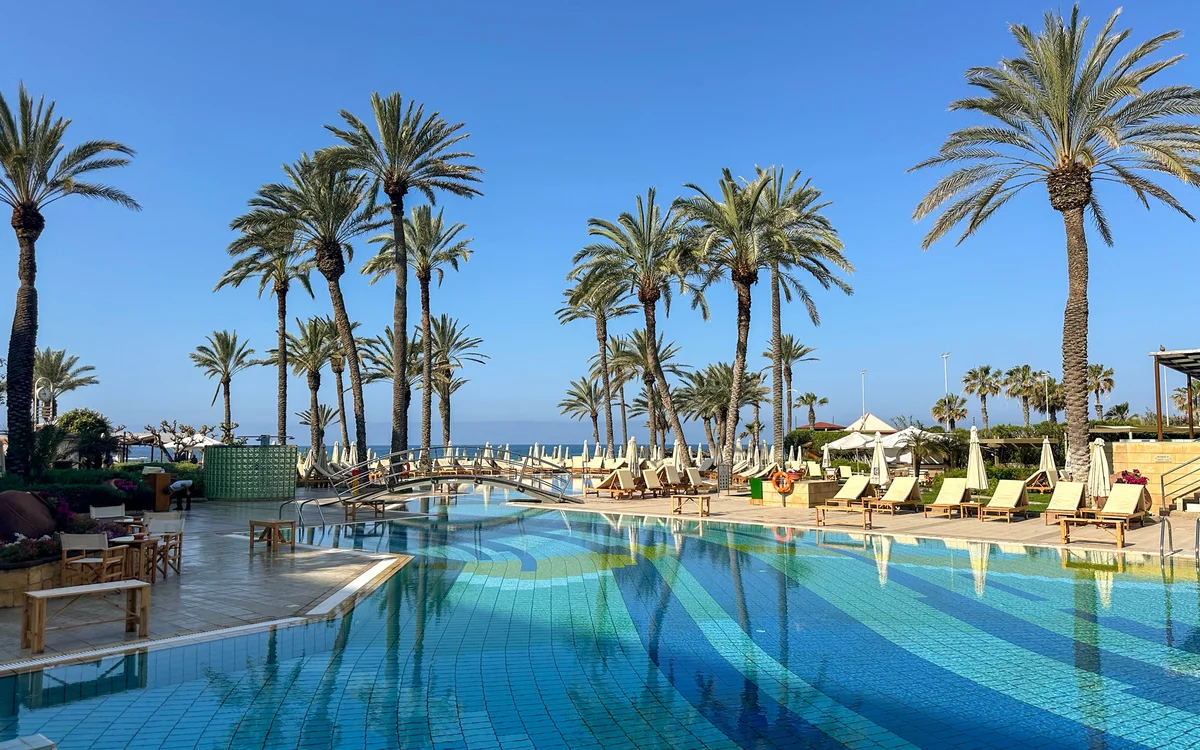
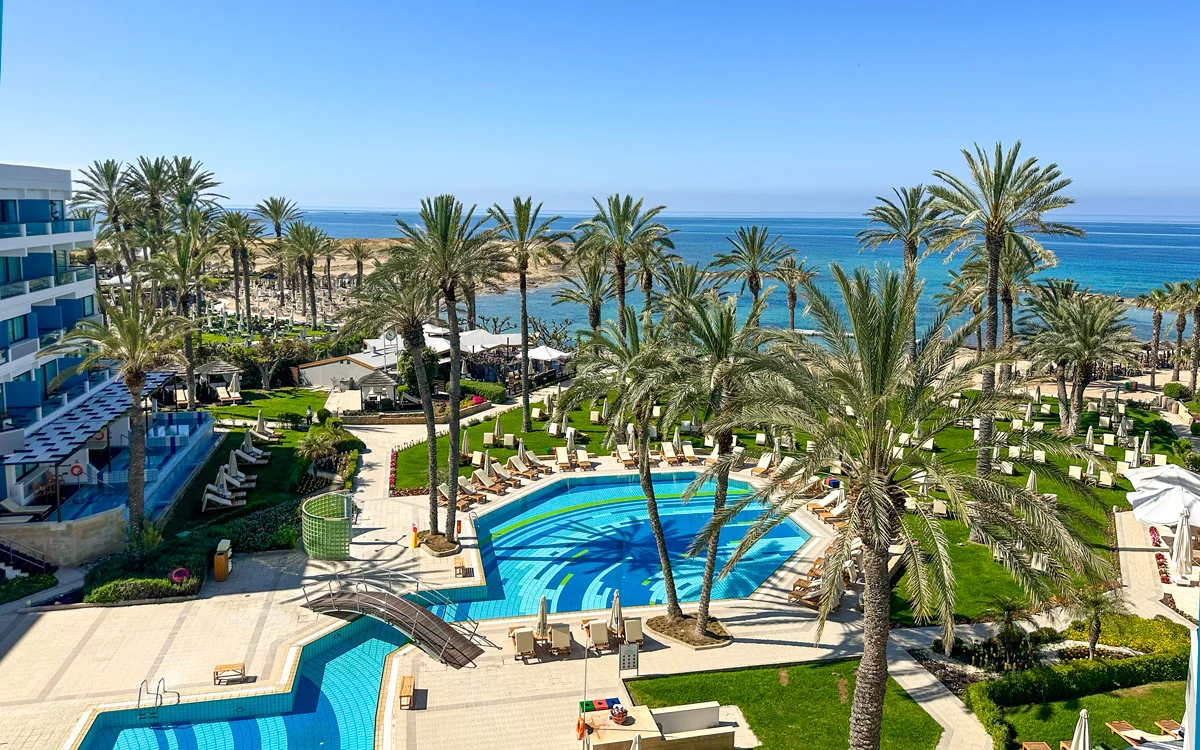
    Asimina Suites resort with sea view and pool area

    I’d planned the trip as a short, low-stakes week: one hotel, one beach, the town on foot when I felt like it. The booking was straightforward. B&B, weekly rates from £1319 per person for two sharing a Junior Suite, bookable through Asimina Suites’ own site. That price is the anchor for everything else in this review, so I’ll keep coming back to it.

    Location and the walk to Paphos

    The hotel sits at the far end of the beachfront boulevard, which is exactly why I chose it. One sister property is further south; beyond that, a small blue-domed chapel and a stretch of undeveloped coast. The sea-facing land right in front of the building belongs to Asimina, so the sandy beach with its cabanas, and the walkway across the rocks for a proper plunge into the water, feel private in a way the shared-resort strips elsewhere on this coast don’t. Breakwaters keep the bay calm enough for swimming even when the sea is doing something.

    Getting to Paphos town is an easy taxi or a bus. The beachfront walk is the better option if you have the time: the path along the front of the resorts to the harbour takes around 30 minutes, and it’s the best part of the location. Along the inland road behind the hotel there are a handful of small shops, bars and restaurants, plus a car rental office, so you can get most things without going into town at all.
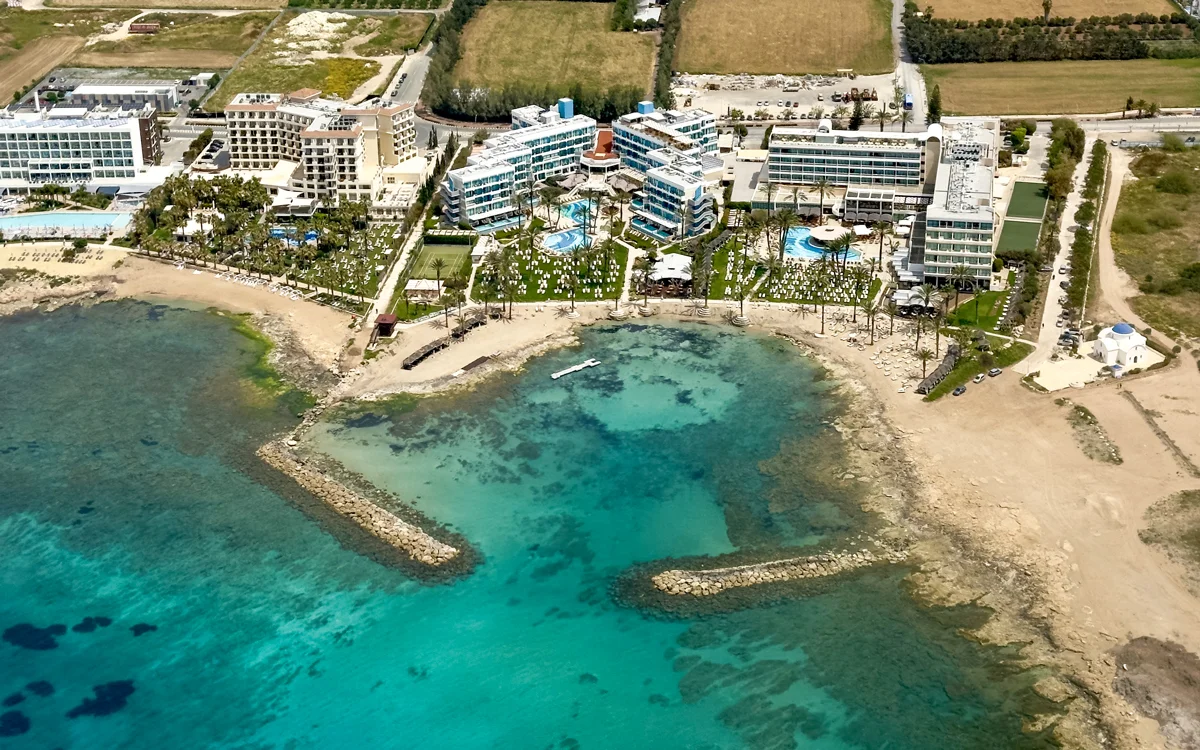
    Aerial view of Asimina Suites, beachfront walk and small blue-domed chapel

    If you only have one day, skip the town on foot and take a taxi: 30 minutes each way is a lot of walking when the beach is right there. If you have the week, do the walk on day two, once you’re over the jet lag, and let the harbour be your anchor point for the rest of the trip.

    The rooms, and which side to book

    Every room at Asimina is a suite, which matters more than the label suggests: there’s no FOMO between room types the way there is at most hotels. I was put on the new fifth floor. The suites there are the same design as the floors below, apart from the ground-floor private-pool suites, but the height gives a cleaner view across the palms to the sea, and that’s the difference I’d pay for.

    The layout is two spaces divided by sliding doors, both opening onto a wide balcony. On entering: minibar, storage, a big desk and table area. Behind that, a sofa, a coffee table and a TV. The bedroom has real storage, a comfortable bed with good linen, and the bathroom has twin sinks, marble walls, a walk-in shower and, in some suites, a bath. Nothing is design-forward, but everything is kept well.
    Suite balcony view over the pool and the Mediterranean sea beyond

    One tip I’d take seriously: request a room on the right-hand side building. The balconies there get the morning sun, and I spent most mornings on one of them with coffee from the in-room machine, before breakfast, listening to the birds and the water. That’s the whole point of the higher floor, and the side of the building decides whether you actually get it.

    The food at Estia and Kymata

    There are four restaurants and three bars, plus 24-hour room service, which is more than one person can reasonably use in a week. What you can eat where depends on your package: the buffet at Estia is the base, and from half-board up you can also dine at the à la carte restaurants, with reservations required.
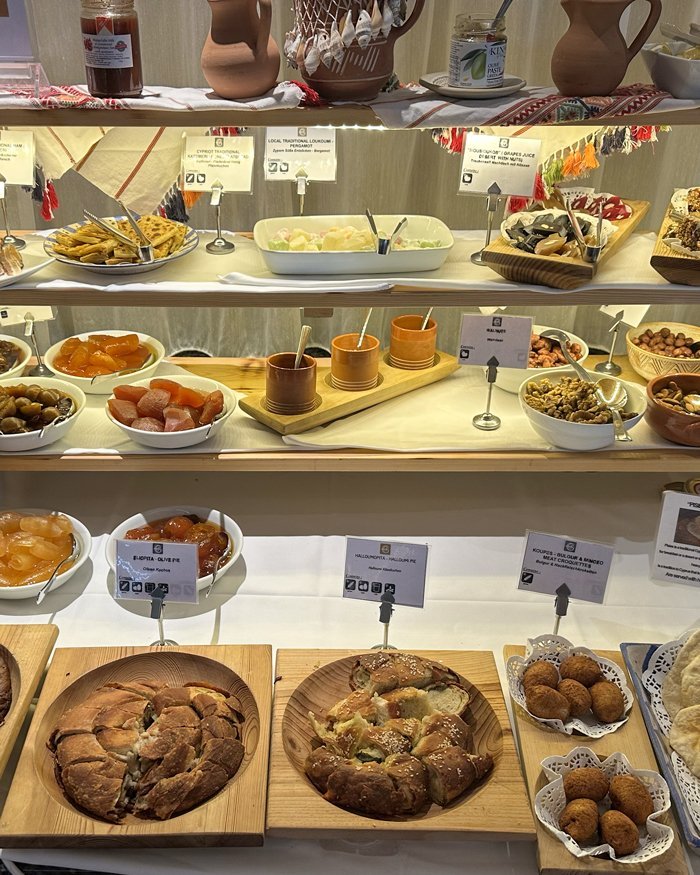
    Cypriot breakfast buffet table with pastries, cheeses and carob syrup

    The breakfast at Estia is the one I’d defend hardest. The Cypriot table alone is a reason to get up early: pastries, cheeses, jams, carob syrup, the usual things done properly, and the rest of the spread goes well beyond it. For full meals, the stations cover a wide range, from Asian-fusion to roast meats to salads and desserts, and the neighbouring pool bar handles a light lunch when that’s all you want.

    My actual favourite place to eat there was Kymata, on a shaded deck at the far end of the resort, the sea a stone’s throw away. The setting does a lot of the work in the evening light, but the food holds up on its own: fresh ingredients, local menus on most nights, and occasionally traditional Cypriot dancing as the room winds down. That’s the version of the hotel I’d tell a friend about.

    The rooftop bar and the new fifth floor

    The 2026 addition is the rooftop bar above the fifth floor, and it’s the right kind of thing for this time of day. Soft light, a view that doesn’t ask you to do anything with it, cocktails mixed properly, and for anyone not drinking, a decent freshly pressed orange juice. I had my sundowners there most evenings, which is a cheap way to say I was there every day.
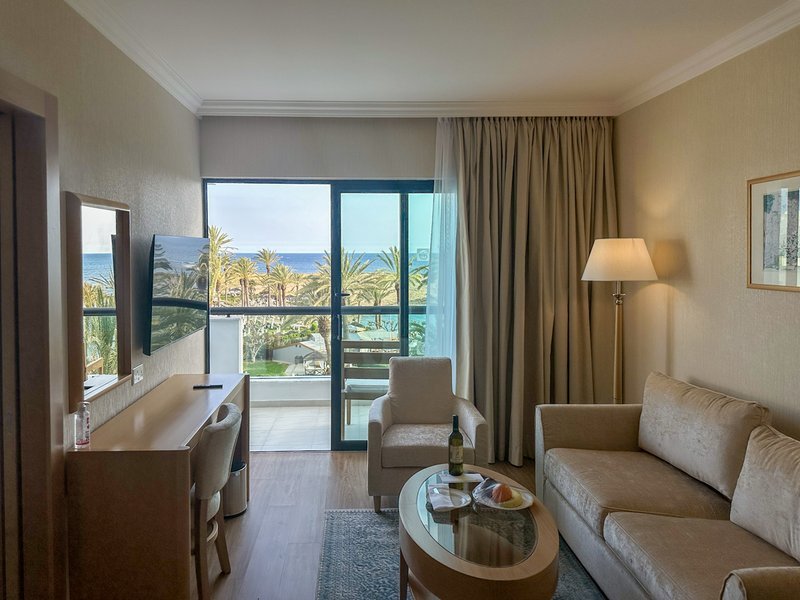
    Suite interior with marble bathroom, lounge area and full balcony

    Below it, the VIP’s Bar is the more classic room, with live entertainment some nights and a separate, quieter corner with a pool table and the big games on TV. It’s a homely kind of luxury, not a pretentious one, and that distinction is doing a lot of work in this review.

    Facilities: the spa, the pools, and the art class nobody asked for

    Two large outdoor pools, a heated indoor pool, the Elixir Spa with its thalassotherapy treatments, saunas and steam rooms, and a gym that has both cardio and strength equipment. There’s a tennis court on site, and the sister property next door has indoor and outdoor bowling greens you can book.

    Morning light from the suite balcony over the pool and sea

    The part I didn’t expect to care about is the daily list of in-house activities: wine and painting workshops, aqua aerobics, live music evenings. I signed up for one art class and it was, against all reason, the thing I talked about most with the people I was staying with. There’s also a salon and a small on-site market for sunscreen, snacks and the small things a week in one place uses up.

    Even with all that on site, plan to spend a couple of days off the hotel and into the rest of Cyprus. The hotel is best treated as a base, not the whole trip.

    Getting there and what the price actually covers

    Flights into Paphos run from a wide range of UK airports with Jet2, including its new Gatwick route; Jet2 Holidays packages include a seven-night stay, flights and a 22kg luggage allowance. The B&B weekly price is from £1319 per person for two sharing a Junior Suite with a land view; sea-view suites cost more, and the Executive tier adds private pools, airport lounge access and transfers, and elevated dining. The Constantinou Bros Hotel Collection also runs Athena Royal Beach Hotel, Pioneer Beach Hotel and Athena Beach Hotel along the same shoreline, all of them part of the same family operation.

    For what that number buys: a week in an all-suite, adult-only hotel, spring through autumn, with a private beach, a 15-minute airport transfer, and a breakfast spread I’d fly back for on its own. If the trip is a week, that’s a fair price. If it’s four nights, do the maths on the half-board packages instead, because the dining is good enough to make that the better spend.

    The trade-off, and what I’d change

    If I did this trip again, I’d book the sea-view suite on the right-hand side building and skip the land-view Junior Suite, which is the default at the £1319 price point. The difference in the view is the difference in the trip. And I’d take the walk to the harbour on the second day, not the first, because the first day is for being tired and not deciding anything.

    The hotel is not worth a detour if your Cyprus plan is the ancient sites and the west coast villages; for that, it’s a base you pass through. It is worth a full week if the plan is one beach, one table at Kymata, and a rooftop bar in the evening light, with the town an easy taxi away whenever you need it. That’s the version I’d do again.
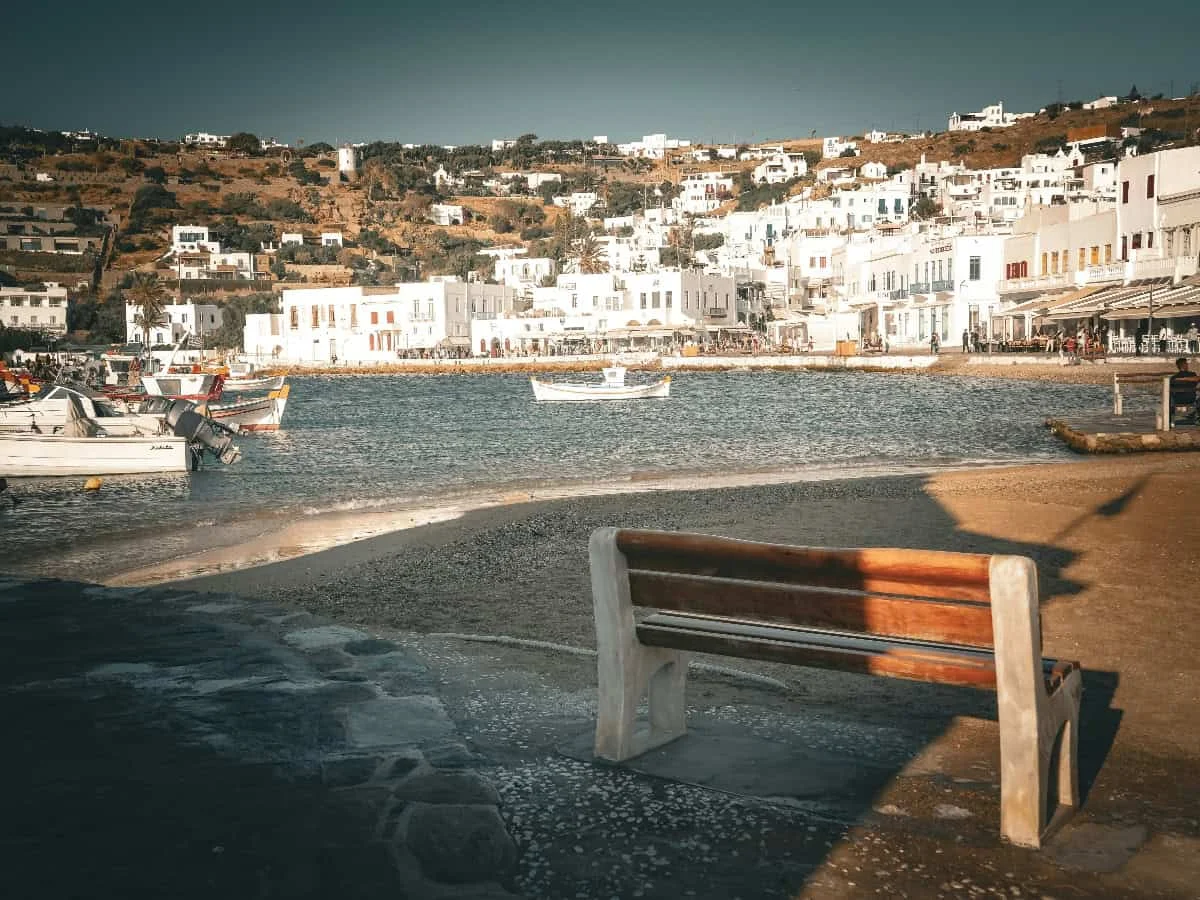
    Keep Reading

  • Where to Stay in Mykonos: What I Learned About the Island’s Five Sides

    Where to Stay in Mykonos: What I Learned About the Island’s Five Sides

    The 07:15 bus from the port dropped me onto a pavement so full of tourists that I had to wait for the crowd to thin before I could find the address I’d booked. By the time I’d hauled my case through the whitewashed lanes of Chora and up the steps to the hotel, I’d already learned the first lesson of Mykonos: where you stay is not a detail. It is the whole holiday in miniature.

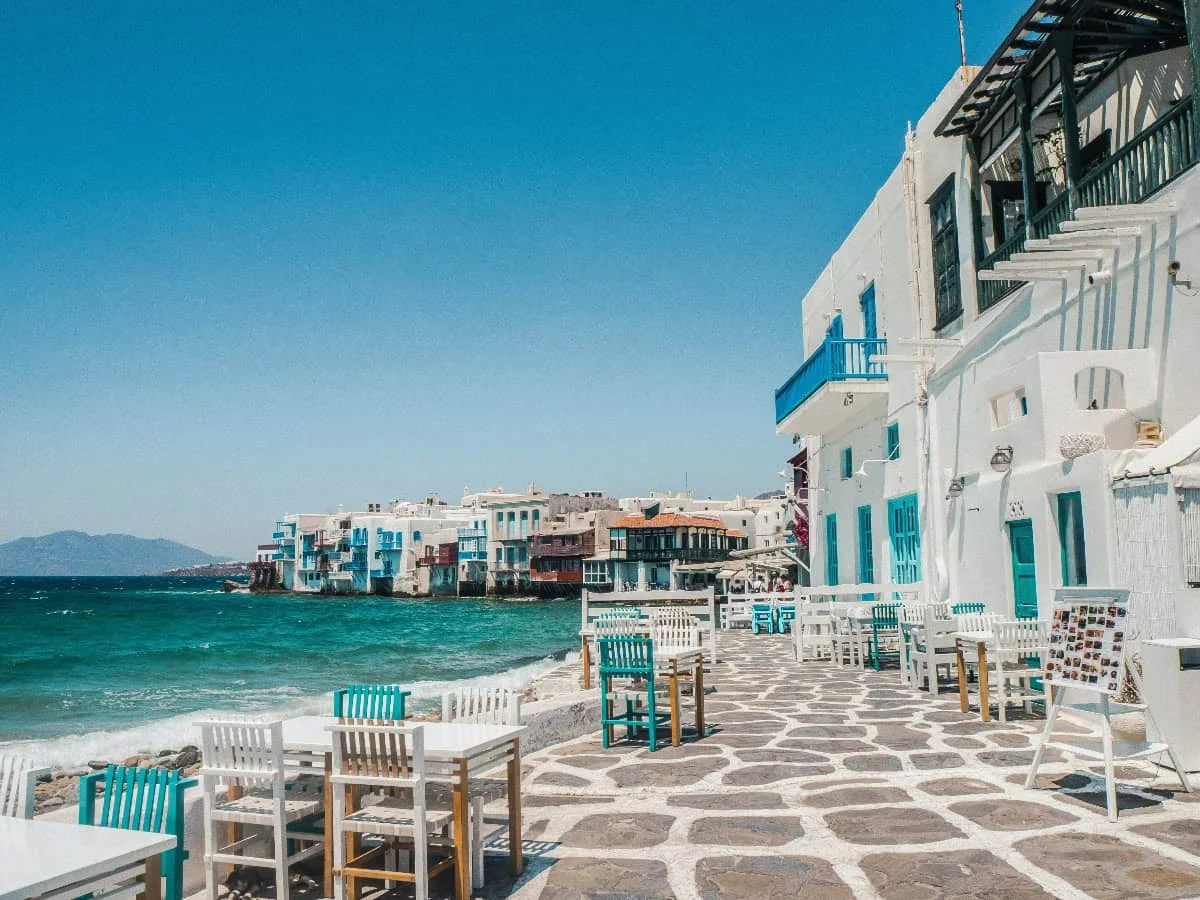
    Little Venice waterfront balconies over the sea in Mykonos

    I’ve spent six years editing other people’s travel writing, and the Mykonos area guide is the format I’ve seen most often done badly. Lists of hotel names. Adjectives doing the work that a map should. So for this trip I did the unglamorous thing: I stayed in three different areas, took the buses between them, and wrote down what each one was actually like. The partner came along and, as usual, hated the itinerary. He just wanted the beach.

    How the island works before you book

    Mykonos looks small on a paper map, which is exactly the problem. It is an island, not a village, and getting from one side to the other is not as simple as the postcards suggest. Taxis are hard to find in peak season, especially late at night, rental cars are popular but parking near the beaches can feel like a competitive sport, and the buses are better than people expect: they run between Chora, Ornos, Platis Gialos, Paradise, Super Paradise, Elia and Agios Stefanos, and they are the cheapest way to move around.

    Then there is the wind. The Meltemi is famous, and until it hits you on a beach day you assume it is a story. Some beaches are sheltered, others get sandblasted, and it is one of the quiet reasons families and couples end up on the southern coast. It sounds minor. It is not.

    On money, I will be plain: the source I was working from, and my own receipts, both point the same direction without giving you a single reliable number. Chora is the most expensive area on the island, especially in July and August. Psarou is at the luxury end of even that scale. The interior villas are cheaper per night but eat the savings in taxis. I’ll flag where prices matter and skip pretending I have a rate card.

    Mykonos Town (Chora) where the island actually starts

    Chora is the Mykonos you have seen a hundred times: whitewashed lanes, blue shutters, bougainvillea falling over balconies, every corner staged for a photograph. And unlike most places that exist to be photographed, it also happens to be the working heart of the island. Everything is walkable. You can leave in the morning, wander, have a long lunch by the water, come back to the hotel, and be out again for sunset without a single transport decision.

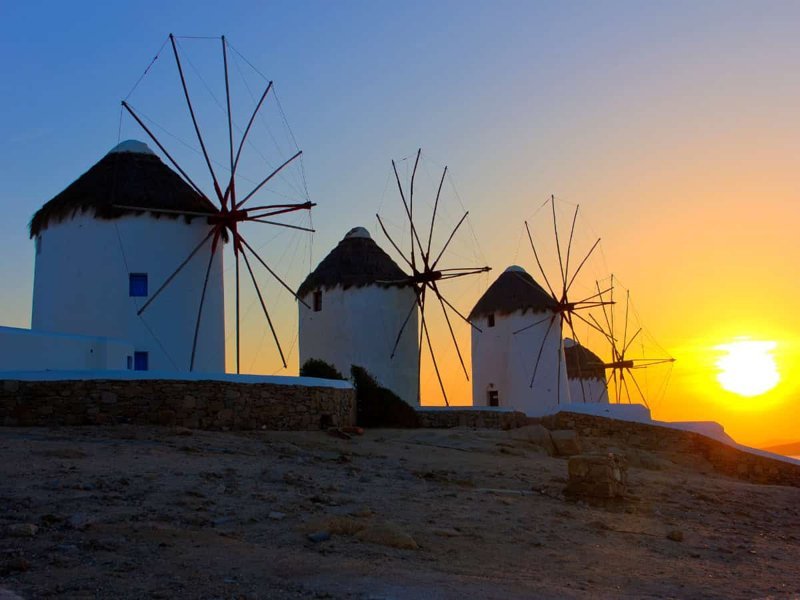
    Little Venice at sunset is the reason people keep talking about it. Balconies over the water, waves under the buildings, the light going gold. Arrive early for a seat. The windmills on the hill above town are the other classic stop, and they are worth lingering at as the town lights come on rather than snapping a photo and leaving.

    The restaurant selection in Chora is the best on the island, from a casual gyros to a splurge dinner, and that is a real advantage when you are the type that eats late. The drawbacks are honest ones: it is expensive, the streets were not designed for wheeled suitcases, and some streets get noisy after dark. If you sleep light, book just outside the busiest centre.

    For a first visit, I would stay here. Harmony Boutique Hotel sits just outside the busiest part, with a pool and easy walking access to the old port, Little Venice and the windmills. For a mid-range base, Semeli Hotel is within walking distance of everything and has a strong breakfast. If you are spending real money, Belvedere Hotel is the classic choice, with views over the town.

    Ornos the compromise that works

    Chora windmills overlooking whitewashed Mykonos Town rooftops

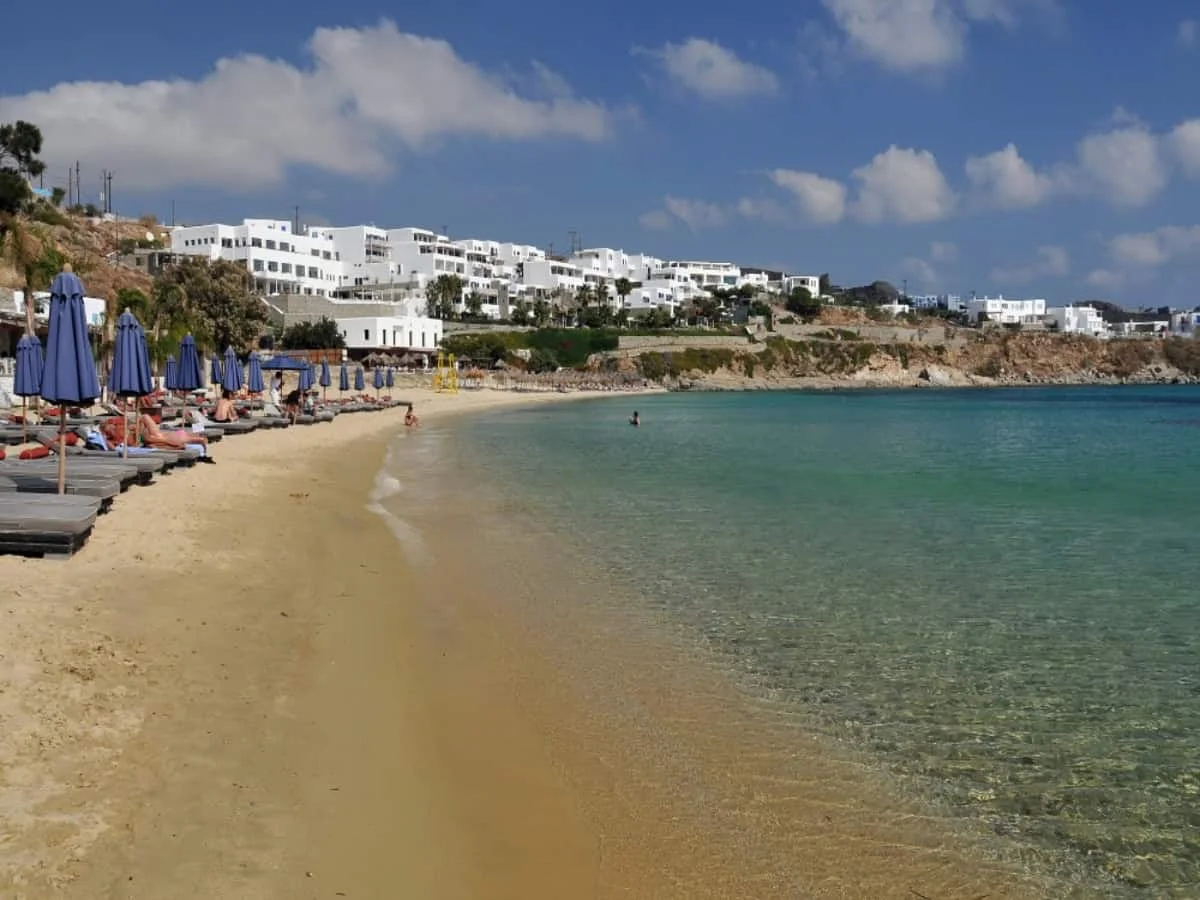
    Ornos does not look like Mykonos at first glance. No windmills, no postcard alleys, no famous sunset spot. What it has is something I came to appreciate after a day or two: it is ten minutes from Chora, and the beach sits in a sheltered bay, which matters more than you think when the Meltemi picks up. Other beaches can turn rough; Ornos often stays swimmable.

    It is the base I would recommend if you are torn between the town and the beach, and it is where a lot of repeat visitors end up. The waterfront tavernas are relaxed, long lunches over the bay are practically a local habit, and in summer a water taxi network runs from the bay to the southern beaches, so you can skip the parking fight entirely. You are never far from anything, but you are not in the middle of it either.

    Two honest caveats: Ornos feels like a beach resort area, not a historic Greek village, and getting into Chora for dinner still needs a bus or a taxi in the evening heat. The best hotels here sell out early in season. Anixi Hotel is a sensible budget option a short walk from the beach. Kove Mykonos is the mid-range pick, with modern Cycladic design near the sand. Mykonos Ammos sits directly on the beach if you want the resort feel without isolation.

    Platis Gialos if the beach is the whole point

    There is a version of a Mykonos holiday that goes: wake up, walk to the beach, swim, lunch by the sea, repeat. If that is your trip, Platis Gialos is the practical answer. The long sandy beach is easy to reach, easy to swim from, and lined with restaurants, cafés and hotels. You can be on the sand within minutes of getting out of bed, which is a compelling routine and I will not pretend it is anything else.

    The other reason to stay here is the water taxi network, which links Platis Gialos with Paraga, Paradise, Super Paradise, Elia and Ornos. Instead of hunting for parking, you change coastline by boat. And Psarou, the famous beach with the yachts, is a short walk along the coast, close enough to visit without paying Psarou prices for a room.

    The trade-off: in summer it is busy, it has a resort feel rather than Cycladic charm, and evening sightseeing in Chora means a bus ride. Petinos Hotel is the dependable low-cost base near the beach and the water taxi dock. Acrogiali Beach Hotel is one of the better-value beachfront options, with direct access to the sand. Branco Mykonos is the luxury end, a contemporary beachfront resort a few steps from the water.

    Psarou the island’s VIP section

    Sheltered Ornos beach in its calm bay

    If Mykonos has a VIP section, it is Psarou. The crescent beach on the south coast is where the beach clubs, the superyachts and the people who arrive by tender rather than ferry all converge. Nammos is the obvious anchor, the place most people have seen in photos even if they have never heard the name, and staying nearby puts you in the middle of it. The people watching is genuinely unmatched. I found it both fascinating and a little ridiculous, which is exactly the point.

    Beyond the show, it is one of the most beautiful beaches on the island, the swimming is good, and it is a short drive from Chora when you want the restaurants. But this is not where you stay to save money. Even a casual lunch here can cost more than a full day elsewhere. Luxury Hotel & Suites, Colours of Mykonos, above Psarou Beach in Agios Lazaros, is one of the better values in the area. Nissaki Boutique Hotel sits between Psarou and Platis Gialos with views over the bay. Mykonos Blu is the icon, directly above the beach.

    Elia where the noise finally stops

    If you have seen the photos of packed beach clubs and thought that looks fun for about an hour, Elia is the answer. On the southeastern coast, it has one of the largest beaches on the island, which means space even in peak season, and a noticeably calmer atmosphere. People come here to unwind, not to be seen.

    The resorts take advantage of the hillside setting, with views over the Aegean and a pace where afternoons stretch into evenings. It is the side of the island where nobody seems concerned about what time it is. The costs: it is further from Chora, quieter after dark, and a rental car is genuinely useful if you want to do anything beyond the beach. Arte & Mare Elia is the more affordable beachfront option. Greco Philia is a quieter boutique choice above the bay. Myconian Imperial is the full five-star resort, if that is the trip.

    Agios Stefanos and the ferry question

    Most people do not get excited about staying near a ferry port. Agios Stefanos, just north of Chora, is the exception. It is quiet, it overlooks the sea, and it puts you minutes from the New Port, which is a real comfort if you are arriving or leaving by boat and do not want to drag a suitcase through a crowded terminal in the summer heat. There are a handful of restaurants and a pleasant beach, and it is still a short drive from the town.

    It is the right call for short stays and island hoppers. Nimbus Mykonos is a good value boutique option near the beach. Mykonos Princess Hotel offers the elevated views and a pool. Amyth of Mykonos Agios Stefanos is the adults-only luxury end, newer and quieter. If you are only spending a couple of nights and your plan involves ferries, the transfer savings can outweigh the appeal of a more famous address.

    The areas I would skip

    Wide sweep of sand at a quiet Mykonos beach

    Super Paradise is the one I would visit for a day rather than stay at, unless the party is the entire reason you came. It has been one of the island’s famous party beaches for decades, and it is built around that: music from early in the day, cocktails before lunch, a younger crowd, and a night that runs long. It is exactly what it promises, and for a couple, a family, or anyone who wants the wider island, that is a reason to stay in Ornos, Platis Gialos or Chora and come over for a day.

    Paradise Beach is the other famous name that surprises first-time visitors. It is a party destination first, a beach second. If you are planning romantic dinners and sleep, go elsewhere. And then there is the interior villa trap: a beautiful house, a private pool, a rate that looks like a bargain, and then the maths. Fifteen minutes from the nearest restaurant, twenty from town, thirty from the beach, and every meal and sunset drink requires a taxi. Saving around €50 a night can disappear in a week of taxis in peak summer, when the cars are scarce to begin with. For most people, paying a little extra to be close to a beach, to Chora, or to a bus line is the better trade.

    Getting around without a car

    For most stays you will not need a rental car. Buses connect Chora with all the main beach areas and are affordable and frequent in summer. Water taxis run between the southern beaches in season, which is the faster and more pleasant option when you are beach hopping. If you are staying in Elia or a hillside property, a car earns its keep, but then you inherit the parking problem: narrow roads, summer traffic, and nowhere to stop near the popular beaches at midday or sunset. Scooters and ATVs are everywhere, cheap and easy to park, but the roads get busy, some routes are steep, and the wind makes riding less pleasant than it looks. Taxis are the wildcard. Have a plan for getting back from dinner before you leave, because in July and August demand regularly outruns supply after dark.

    If you only have one day

    Here is the trade-off I would actually make. If you have one day and a beach, skip the beach-club queue and take the water taxi to a quieter stretch of the south coast. If you have one day and no beach in the plan, stay in Chora, do the town in the morning, Little Venice at sunset, and eat late. The mistake I see people make is booking the famous beach for the day and spending it in traffic. The island rewards the people who pick one thing and do it properly.

    What to pack and when to go

    Light, breathable clothes for the days, something a little dressier if you plan to eat out late, and proper walking shoes, because Chora’s stone streets are uneven and your feet will notice. Sun protection is not optional, a light jacket for the breezy evenings, a reusable water bottle, and a power bank for a day of navigation and photos. If you are flexible on dates, late May through June and September into early October is the sweet spot: warm enough for the beach, smaller crowds, and lower prices than July and August, when the island is liveliest and most expensive. Book early if you are going in summer, and reserve the sunset tables in Chora before you need them.