Category: Destination

One place, judged properly: whether it is worth the detour, how many days it needs, which season.

  • 7 Days in Portugal: Porto, the Douro Valley, and Lisbon

    7 Days in Portugal: Porto, the Douro Valley, and Lisbon

    The platform clock at Campanha had been wrong by four minutes all morning, and by the time my partner and I walked out with two suitcases and a rental car, the 09:05 to Lisbon had already pulled. We took the next one. It left on time. That is the shape of this trip in one story: not a schedule you have to fight, but one that gives you a little slack if you ask politely.
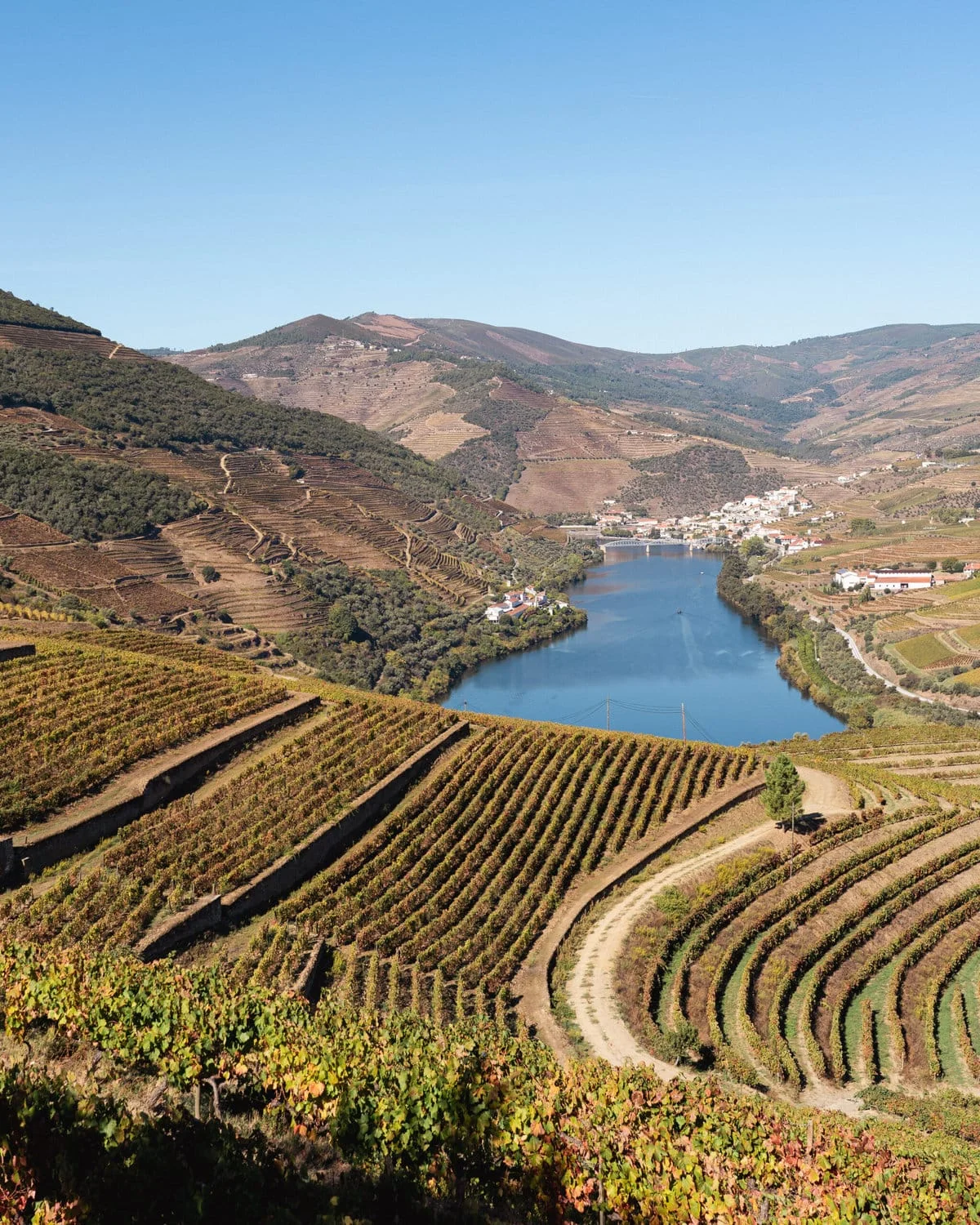
    Terraced vineyards and river bend in the Douro Valley at dawn

    We did this route last month, on a birthday that turned out to be the best reason to book the overnight in the Douro Valley. Portugal is still cheap enough that you can sleep in a five-star hotel in Porto for less than a mid-range room back home, and the trains between the three stops are short enough that a week feels full without feeling chased. This is the exact order and split we would do again: three nights in Porto, one in the Douro Valley, three in Lisbon, flying in at Porto and out of Lisbon so you never retrace a single leg.

    What the week looks like at a glance

    The split is the whole point. Porto gets the most time because it is the city I would rather be in, and it is the one that handles jet lag kindly. The Douro Valley gets one night, which is enough to earn the drive and not enough to finish the valley. Lisbon gets three, which is enough for the highlights and the day trip to Sintra if you do the math right.

    Porto: three nights. Douro Valley: one night. Lisbon: three nights. Fly into Porto (OPO), out of Lisbon (LIS). Total travel between the three bases: one drive north, one drive or train south, nothing more.
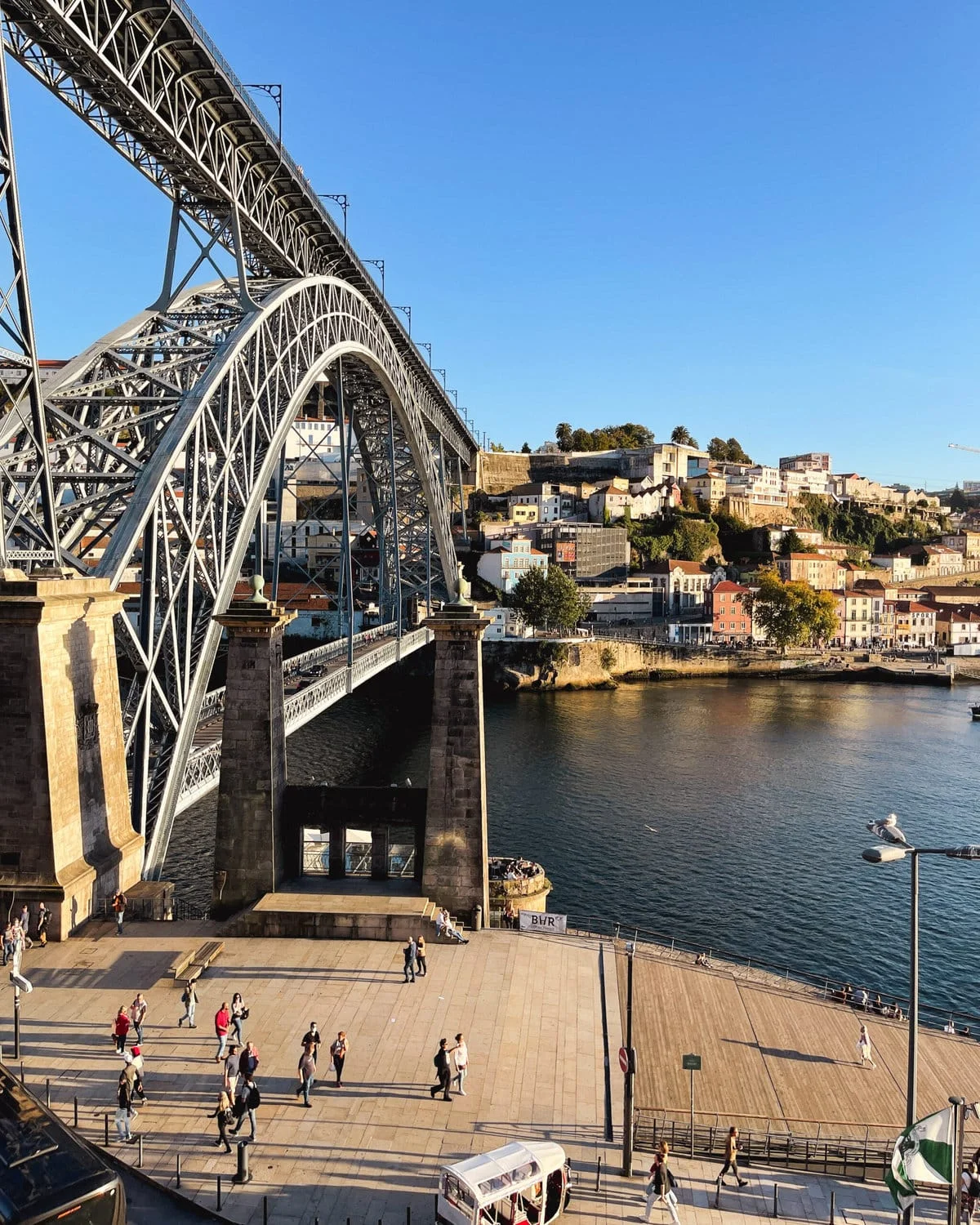
    Dom Luís I Bridge and the Douro river from Porto's upper walkway

    Porto: the slower start

    Arrive late morning or early afternoon and you have half a day, plus two full ones. That is the right amount for Porto. It is small enough that you can walk the whole list of sights without a car, and it has the kind of evening atmosphere that makes a tired first day feel like nothing at all.

    The list that actually matters, in the order I would do it: Livraria Lello, the ornate bookstore everyone photographs; the upper walkway of the Dom Luís I Bridge for the view back over the river; Cais da Ribeira, the riverside street stacked with tiny houses and bars; the tiled waiting room at São Bento station; Clérigos Tower if your legs want to work; and the plain wander of Rua das Flores and Avenida dos Aliados in between. Add Igreja do Carmo, the Church of São Francisco, and the Praça de Lisboa if you have the time, and the day fills itself.

    Two honest notes. The city is hilly in a way that matters: if you are cycling, take an e-bike, and a three-hour e-bike tour covers more ground than you would manage on your own. And if you want one guided orientation before you wander, a private three-hour city tour runs about $190 for two people, which is a fair price for a local to point you at the restaurants you would not have found.

    On money: this is where the value of the trip lands. We found the kind of room that costs over $1,000 a night back home for about $450, in a five-star hotel in central Porto. Book the Michelin dinner, take the catamaran along the Douro at sunset, and the city still comes out far cheaper than anywhere else in Western Europe at that standard.

    The Douro Valley: one night, not a day trip

    This is the night I would defend if you only defended one decision in the whole plan. We spent our actual birthday in the valley, and the sunrise through the mist was the moment of the trip. The hotel we chose, Ventozelo Hotel & Quinta, had a breakfast terrace that faced straight into the river bend; the rooms are large and the property is easy, which is exactly what a one-night stop should be.

    Hotel terrace overlooking the mist-filled Douro Valley river

    You will need a rental car for this leg, and I would book it early. We took a car through Hertz, an Uber to the agency, and then drove north into the valley ourselves, stopping at a couple of Port lodges on the way. The roads are narrow with tight turns, and the tastings are generous, so the decision about who drives is not trivial. If you would rather not, two alternatives work: drive straight to your hotel and arrange a half-day tour with a local driver, or hire a driver for the one-way transfer into the valley and book another to bring you back to Porto.

    If you skip the overnight and take a day tour from Porto instead, most run eight to nine hours, which is a long day to do a wine region justice. You can re-shape the week as four nights in Porto (day three being the Douro day trip) plus three in Lisbon. It works. But if you have the night, take it. My only regret was that we did not have two.

    Getting from Porto to Lisbon

    There are three ways, and the travel time is about the same for all of them, so choose on comfort rather than speed.

    Drive straight through. About four hours from the Douro Valley to Lisbon, and you can stop in Aveiro and Coimbra along the way, which is why we did it. We dropped the car in Lisbon and took an Uber to the hotel.

    Train. Return the car in Porto, take an Uber to the station, and the high-speed train runs Campanha to Oriente in 2 hours and 50 minutes. This is the one I would take if the weather looked bad or we had been drinking.

    Bus. FlixBus runs it in about 3 hours and 15 minutes. I have taken it several times and the experience has been fine, window seat included. If you did the valley as a day trip, this leg is simply the train or the bus straight out of Porto, no car at all.

    Lisbon: three days, in order

    Be honest with yourself before you get here: Lisbon is the busy one. It is a city you see, not one you slow down in the way Porto lets you. Three nights is plenty if you keep the shape simple: an orientation day, Sintra, and Belém.

    Day one, arrive in the afternoon and do an e-bike tour. The city is hillier than it looks, and an electric bike gets you through the whole map in an evening without the gasp. If bikes are not for you, the small-group walking tours do the same job more slowly. Either way, skip the self-guided wandering on day one; you will not find your way before you have seen the shape of the place.

    Day two is Sintra, and the day is built around Pena Palace, one of the most colorful castles in Europe. The train from Rossio station takes 40 minutes. Go Tuesday through Thursday, buy the time slot in advance, and be at the gates at opening. The palace plus a walk through the main town is a half-day job, which leaves the afternoon free in Lisbon. If Sintra alone does not fill the day, the tours that string together the other palaces and the coast do, and they are the ones worth joining because the driving between them is not fun.

    Day three is Belém, two to three hours of it. The Monastery of the Jerónimos is the reason to go; the tower next to it is the reason to photograph; and Pastéis de Belém is the reason to queue. The tip that saves you: the guidebooks send you to tram 15E, and the tram is lovely, and I would still not ride it. A ten-minute Uber gets you there; the tram takes at least 30 minutes, is almost always full, and you may end up waiting for the next one anyway. Take the car. Save the tram for a day you have nowhere to be.

    Where to stay, without the list dump

    The source of this trip left us a long list of hotels, and most of it is just names. Here is the version I would actually hand to you.

    Porto: if you are splurging, the five-star names in central Porto and Vila Nova de Gaia are the ones to look at, with the kind of $450-a-night room I mentioned above as the realistic target for a top end. For mid-range, the hotels around Avenida dos Aliados and the riverside give you the city at walking distance without the palace prices. Lisbon: the same logic, with the old-town names in Baixa and Chiado for a base that puts Belém and Rossio within reach, and the design hotels in the Príncipe Real side if you want something newer. I have not priced every one of these, so treat the names as a shortlist to check against the week you are travelling, not as a fixed rate.

    If you have more than a week

    Two clean options. Slow the same route down: three nights Porto, two in the Douro Valley, four or five in Lisbon, which buys you the extra valley hikes and the day trips out of the coast. Or add the Azores, nine volcanic islands that the locals compare to a different kind of Europe, with weather that will change its mind on you. The Algarve is the third answer if beaches are what you actually came for.

    What I would change

    One more night in the Douro Valley, and that is the whole answer. The hotel had valley hikes and a pool we never touched because we had to be in Lisbon by the next morning. Everything else about the shape held. Porto up front, valley in the middle, Lisbon last: the order matters more than the pace, and a week is long enough if you keep it.

    If you only have one day in each city: in Porto, the bridge, the bookstore, and the riverside. In the valley, pick the one lodge and sit with it. In Lisbon, skip Sintra and do Belém properly, because the monastery is the one thing that will still be there when you are older.
    Keep Reading

  • What I Actually Did in Reno, Nevada (and Two Towns Worth the Drive)

    What I Actually Did in Reno, Nevada (and Two Towns Worth the Drive)

    The river is wider than I expected. I stood on the steps of the Riverwalk District at nine in the morning, watched the Truckee run grey-green toward the arch, and thought: this is not Las Vegas’ little sibling. It is a town that stopped apologizing for itself somewhere around the murals.

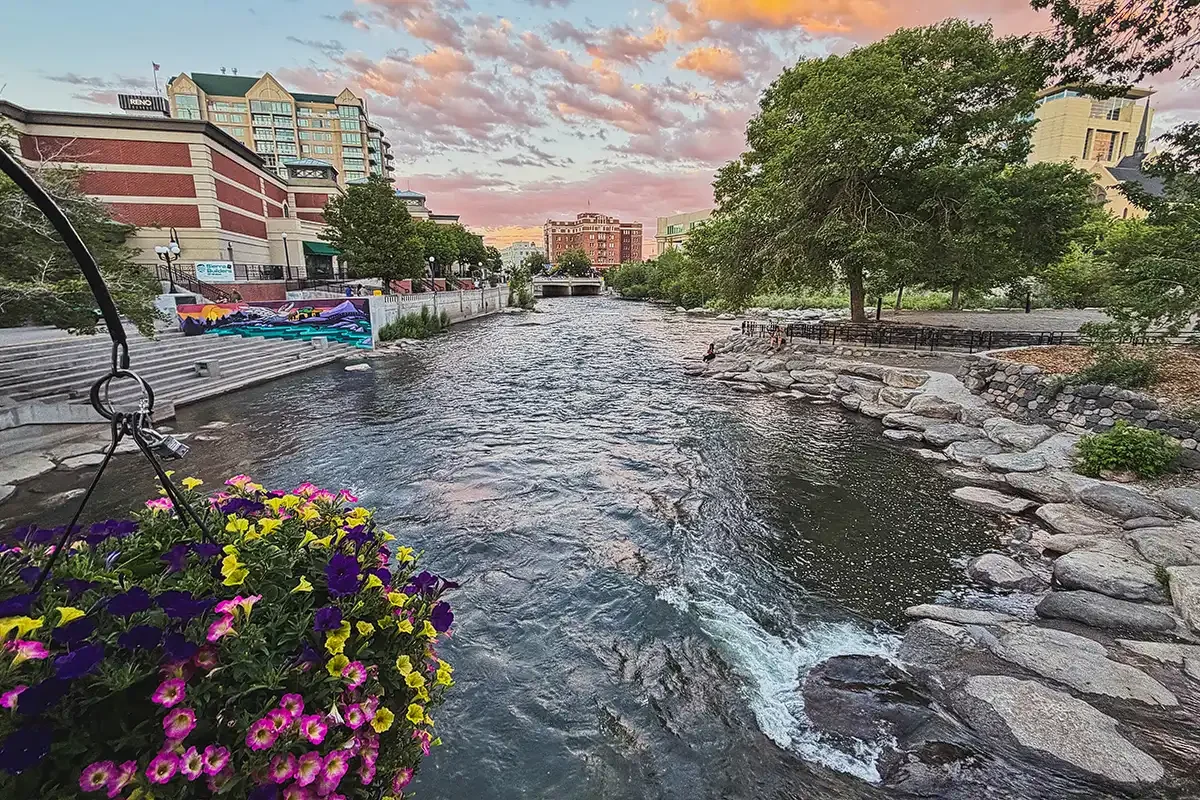
    Truckee River through Reno Riverwalk District at dusk

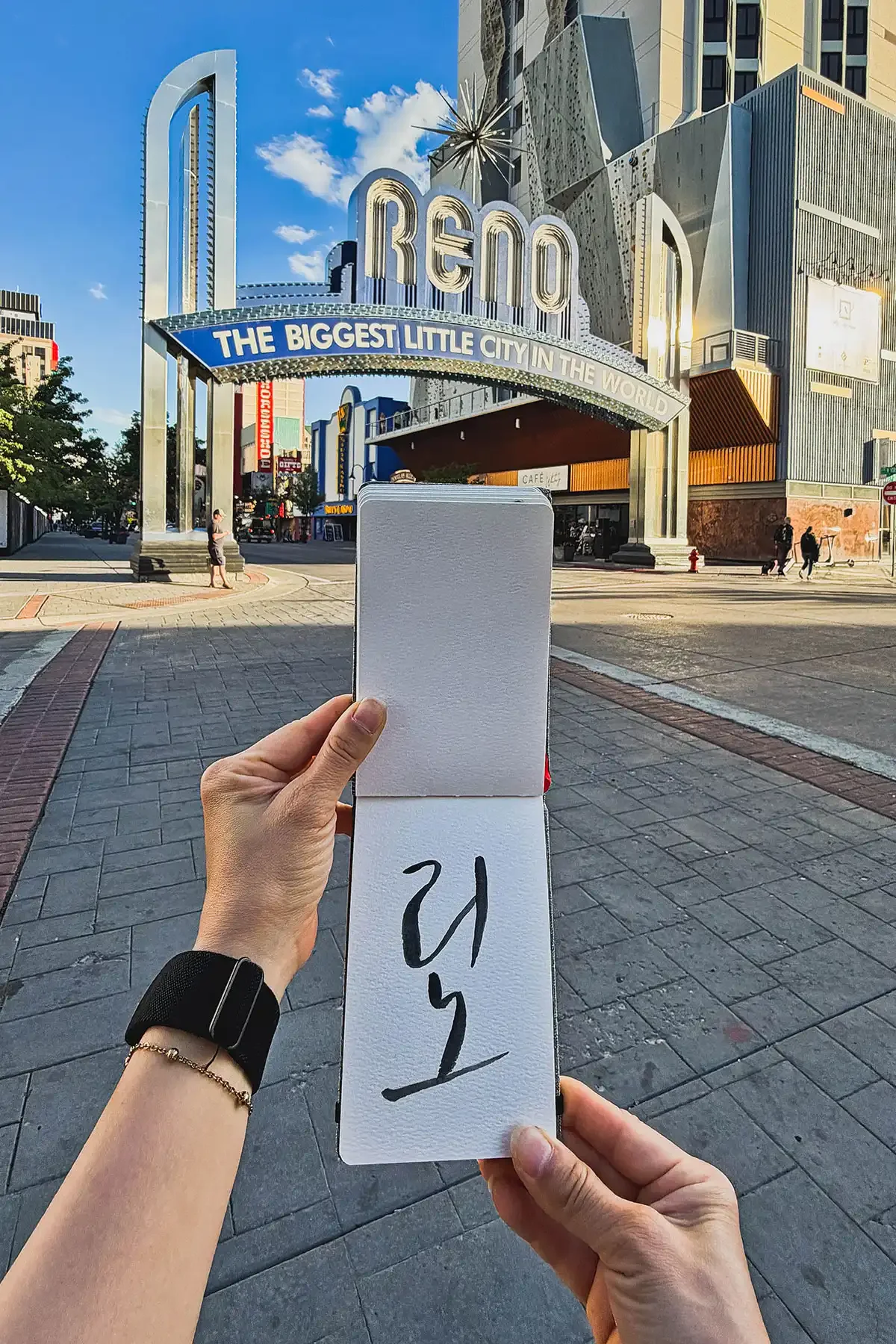
    Reno calls itself the Biggest Little City in the World, and the label is either a joke or an accurate description of its downtown, which you can genuinely cross on foot. I spent three days there and a day each in Virginia City and Carson City, and this is what I kept.

    RENO arch sign and plaza on a clear day

    The climbing wall, and the wall I didn’t finish

    BaseCamp Climbing Gym sits on North Virginia Street, and the thing it is famous for is the 164 ft (50 m) outdoor wall, which holds the Guinness World Record for the tallest artificial climbing wall. The routes run from 5.6 to 5.12, so the difficulty is not the problem. The problem is the last third, where your arms stop answering and the ground starts to look very small.

    I bailed out midway. I am not the climber I was ten years ago, and I stopped pretending. My partner, who hates itineraries more than he hates effort, made it to the top and came down with a certificate, which I think he has framed. If you only want to commit to one thing in Reno, this is the one that actually tests you.

    The arch is for photos, not for time

    The Reno Arch stands next to the climbing wall, and it is the iconic tourist photo of the city. You will pass it more than once while walking downtown, which is fine. It does not need more than two minutes and one frame. The arch is the town’s way of saying hello; you do not owe it a visit.

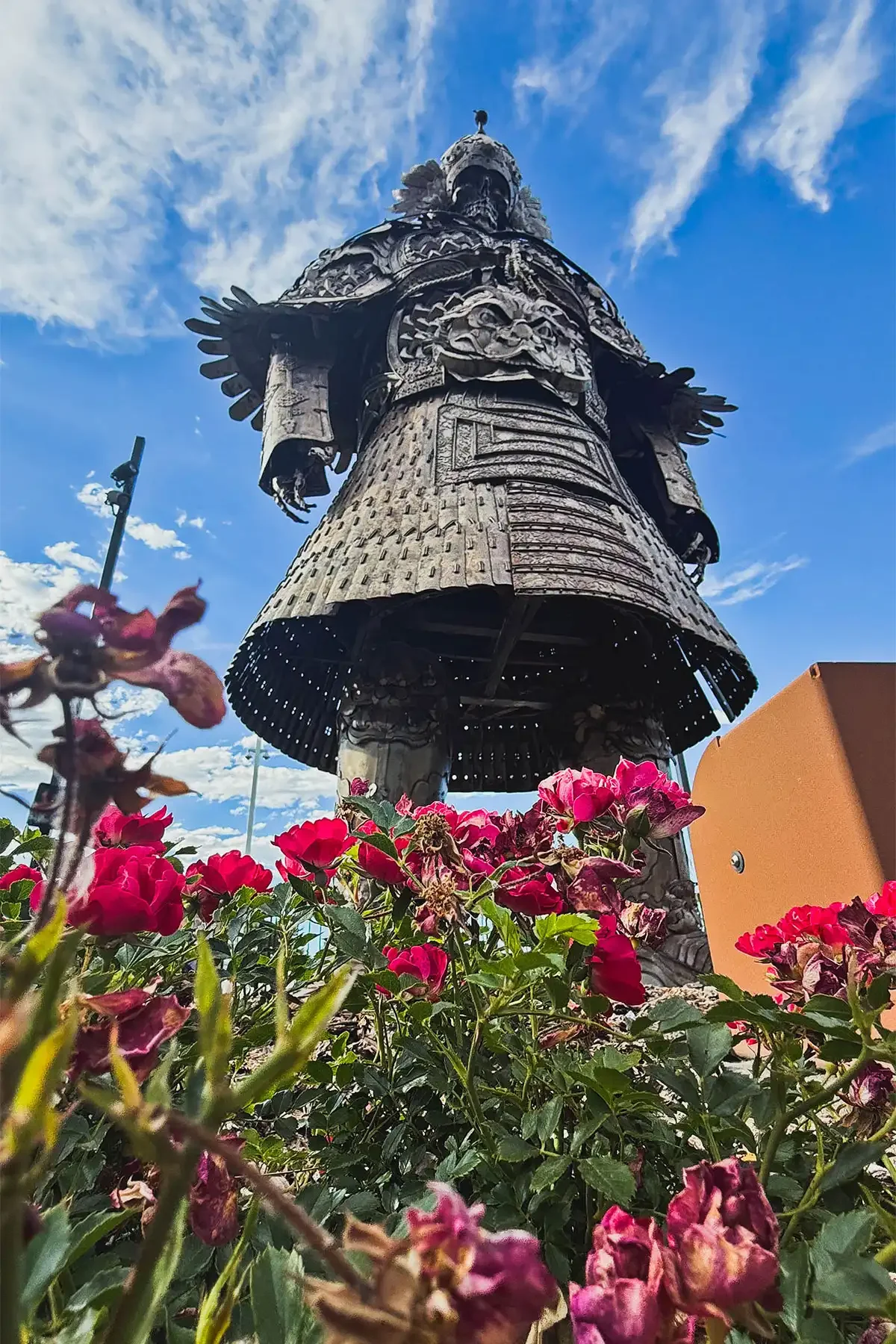
    Armored guardian statue with pink roses, low angle

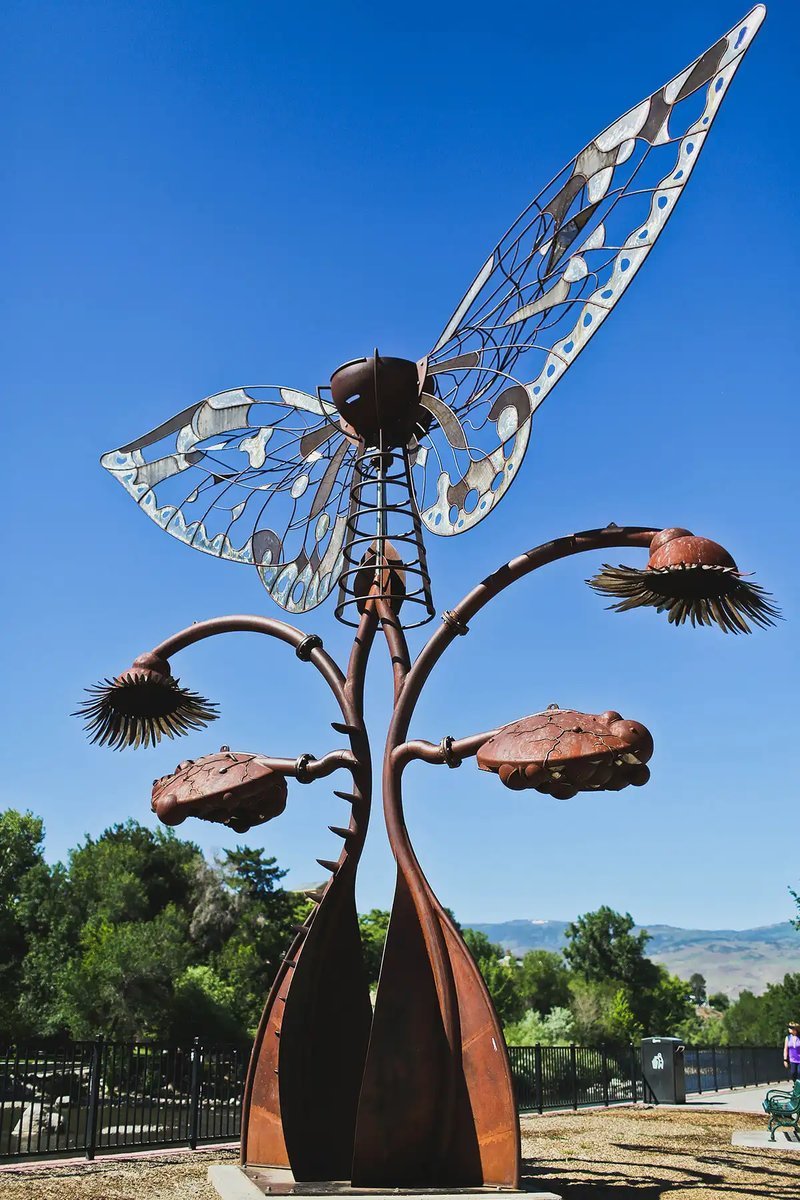
    Burning Man art, minus the desert

    A lot of the large art that goes to Burning Man ends up in Reno after the burn, and it stays out in the open rather than in a warehouse. If you only have time to stand in front of one piece, the Space Whale in City Plaza is the one to pick. There is also a sculpture called Believe nearby, and murals scattered through the city that are worth noticing at walking speed.

    The town runs a mural audio tour. Bring your own headphones, or borrow a speaker for free at the Visitor Center inside Reno Public Market. I did the latter and kept it through the whole afternoon, which was my only real complaint about the day: I was not ready to hand it back.

    The Riverwalk District, and what it is for

    If you are doing any of the above, you are already in the Riverwalk District, because it is where downtown Reno actually happens. The river runs through the middle of it, and people fly fish, float inner tubes down the current, and sit on the banks doing nothing. I sat on the patio at Sierra Tap House with a drink and watched all of it, which is exactly the ratio of doing to watching I want from a town.

    Large rusted metal dragonfly sculpture against blue sky

    Radical Cat, the bookstore I broke my own rules over

    The Radical Cat is at 1500 S Virginia Street, and it is a bookstore that curates books focused on inclusivity and social justice, which is what the name promises. I do not usually buy books on a trip. I have a rule about it. The cats in the lounge broke the rule, and I left with two books and a cat-shaped gift for someone, which means I will have to pack lighter next time or accept that the rule was a lie.

    Of the four bookstores I visited in Reno, this was the one I would come back to. It is the kind of shop that exists because someone decided the town deserved a spine.

    Virginia City: 35 minutes for a different century

    Virginia City is a 35-minute drive southeast of Reno, and it is the closest thing the region has to a movie set that is also real. The town was once the epicenter of the American West, and it still has wooden-plank sidewalks, saloons, and antique shops. It is the best-preserved Old West town in the state, and it does not ask you to slow down, because the pace here is already the pace of the 1860s.

    Three things I would not skip on a first visit. The Mackay Mansion tour is the fifth most haunted building in Nevada, and it had the first indoor bathroom on the West Coast. Thomas Edison replaced the gas bulbs with electric ones there, and Johnny Depp reportedly had his first paranormal experience in it. The V&T Railroad is a short line that gives you a view of the area from the tracks, and it is the one that works best if you are traveling with kids. The Ponderosa Mine tour is cold, even in summer, so bring a jacket if you are the kind of person who chills in air conditioning.

    If you are doing three or more activities there, the Comstock Adventure Pass at the Visitor Center saves money on the bundle. I would buy it before I started, not after.

    Carson City: the quiet base

    Carson City is a 30-minute drive south of Reno, and it is the capital of Nevada, which matters less than the fact that it is the quiet base between Reno, Virginia City, and Tahoe. It is the town for people who want the outdoors without the crowds, and it is not trying to be anything else.

    The Carson Hot Springs has outdoor mineral pools and private indoor ones, first-come, first-served. The Nevada State Museum does a live coin press demonstration between 11 am and 3 pm on Saturdays, which is the kind of free thing that is worth planning an afternoon around. The Skunk Harbor Trailhead is 20 minutes from downtown Carson City, and the water of Lake Tahoe is the blue I keep comparing other lakes to. It was cold enough that I wanted a swimsuit I did not pack, which is the lesson of the trip in one sentence.

    Tee Jay’s Corner Cafe is an Indonesian restaurant in a town that should not have one, and I cannot fully explain why that matters more than it should. We had the rendang, which is close to an Indonesian pot roast, and we talked to the owner, who used to live near us in a way that felt like a small coincidence. The room had the color scheme of Edward Hopper’s Nighthawks, and after the conversation I understood the painting a little better than I did before.

    What I ate, and where to stay

    Magpie Roasters is the coffee to start with, and it is small batch, and the people who know about coffee in Reno say it is the best in town, and I did not argue. Tadaima Shabu Shabu is the only Japanese hot pot in Reno and requires a reservation. I had the chibi wagyu, which was exactly the right amount, and they made a soup broth from the leftovers at the end of the meal to take home, which is the kind of detail I remember longer than the food itself. Kwok’s Bistro is ranked 12th on Yelp’s top 100 Chinese restaurants in America, and the Szechuan Eggplant and Chow Fun are the two dishes I would order again. Royce Burger Bar made the Royce burger with spicy jalapeno pickles and the Biggest Little Salad, and both were solid, which is the most honest word I have for a burger.

    We stayed at the Peppermill Resort Spa Casino in Reno. The rooms are spacious, the parking is covered, which matters in the summer, and the pools are geothermally heated, which is a small luxury I did not expect in a casino resort. In Virginia City the B&B on C Street made breakfast worth waking up for, and in Carson City the Federal Hotel put everything within walking distance, which is the only reason to pick it.

    If you only have one day, here is what I would cut

    Skip the arch photo and the climbing wall. Do the Riverwalk in the morning, the mural audio tour on the way, the Radical Cat in the afternoon, and the Tadaima dinner if you have a reservation. That is a day that ends with you full and slightly tired in the best way.

    If you have a second day, Virginia City is the one. Carson City is the one I would take if I had a third and wanted the hot springs and the trail. The trade-off is simple: Virginia City gives you a century, Carson City gives you a lake, and Reno gives you the walking. You do not have to do all three, and the town is not going anywhere.

    Pack layers, because the temperature swing here can run forty degrees between day and night. Wear the shoes you will actually walk in. Drink more water than you think you need, because the high desert climate takes more out of you than sea level does, and you will not feel it until you are already behind.

    Keep Reading

  • A Realistic Plan for Bermuda on a Cruise: What to Do, in What Order

    A Realistic Plan for Bermuda on a Cruise: What to Do, in What Order

    The ship’s horn went at 09:00 sharp, the way it does every morning, and we were still deciding. That is the real problem with planning things to do in Bermuda on a cruise: the options are not the shortage. The time is.

    I have made the crossing more than once, and every time we leave, the list for the next visit somehow gets longer. A single day in port and a two-day stopover are different trips entirely, so it helps to narrow things down before the gangway drops.

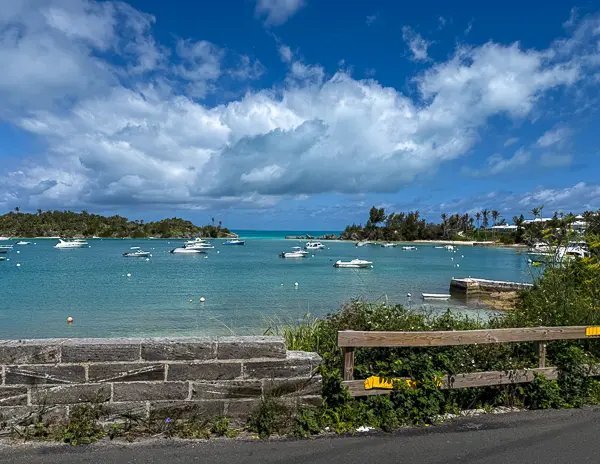
    Bermuda harbor with small boats, the classic postcard view

    How much time you will actually have

    Before you pick beaches, caves, or lunch, look at the itinerary and be honest about the hours. Bermuda is small, but ferries, buses, and the departure time will eat into your day more than you expect.

    One day means one main area or one main experience. Trying to cover the island end to end in a single stop is how people end up standing on the dock, sand in their shoes, watching the ship leave. Two days or more opens up the real mix: St. George’s, Hamilton, the caves, Horseshoe Bay, the Dockyard, without anything feeling squeezed.

    Land vacation, no ship to catch? Use the same ideas and simply spread them out. Lucky you.

    Three sample days, if your schedule allows them

    Treat this as a starting point and bend it around your port hours and how you plan to move around.

    Day 1, east side: the Crystal and Fantasy Caves first, then St. George’s for lunch and a slow walk through town. If the clock is kind, finish at Tobacco Bay for beach time or snorkeling, or add the Swizzle Inn if it sits on your route.

    Day 2, south shore: anchor the day at Horseshoe Bay and add one or two nearby stops at most. Warwick Long Bay, Gibb’s Hill Lighthouse, and Glass Beach all work as add-ons, but I would not force all of them into one afternoon just to say we did it.

    Day 3, the Dockyard: keep the short final day close to the ship. The National Museum of Bermuda, the Clocktower area, the Bermuda Craft Market, a lunch, and the walk back on board. Snorkel Park Beach is nearby if you want a last dip, but it has an entry fee, so check the current price before you go.

    The more stops a day carries, the more transportation matters. On buses and ferries, build in extra time and keep each day focused. With a taxi, a tour, a private driver, or an electric car, you can stretch further. If you only have one day, do not copy all three. Pick the day that matches what you care about most.

    Bermuda coastline with turquoise water and white sand beach

    Horseshoe Bay, honestly

    Horseshoe Bay is the beach Bermuda is photographed for, and it earns the name. Bright blue water, soft pink sand, and rock formations that make the rest of the island look plain by comparison. It does get busy.

    The way past the crowds is to keep walking. Past the main stretch of rocks and coves, the beach opens up, and we found a pocket with only a handful of people in it. We laid out the blanket and had that little corner of Horseshoe Bay to ourselves for a while. There are chair and umbrella rentals at the main part of the beach, and a cove for calmer water. Shade is limited, so bring sun protection either way.

    Down into the Crystal and Fantasy Caves

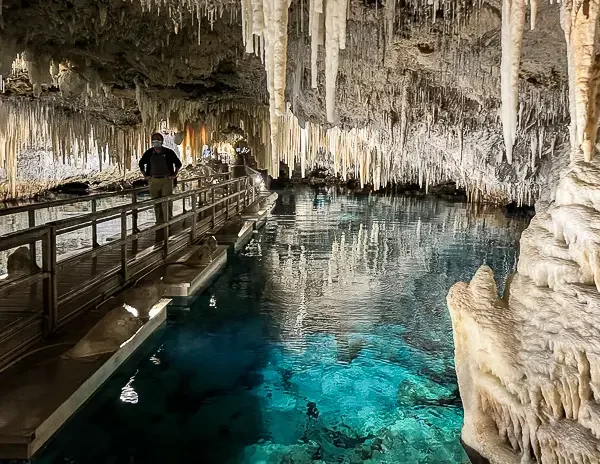
    Underground cave passage with blue water and limestone formations

    For something that is actually specific to Bermuda, go underground. The island has 150-plus limestone caves, and the tours take you down into clear blue water, limestone formations, stalactites, and stalagmites. It gives the day a completely different texture from a beach, and you can still fit in swimming afterward.

    The guides tell the story of how the caves were found, which makes the visit more interesting than simply walking through and taking photos. Know what you are signing up for, though: it is down a lot of steps and back up a lot of steps. Fantasy Cave is the harder one, with about 88 steps each way, but the guides take it slowly and give the group time to move through. If anyone has knee problems or gets tired easily in the heat, keep that in mind.

    You can tour one cave or buy a combo ticket for both. Either way, pair the stop with St. George’s, Tobacco Bay, or the Swizzle Inn, since they are all on that side of the island.

    St. George’s, slowly

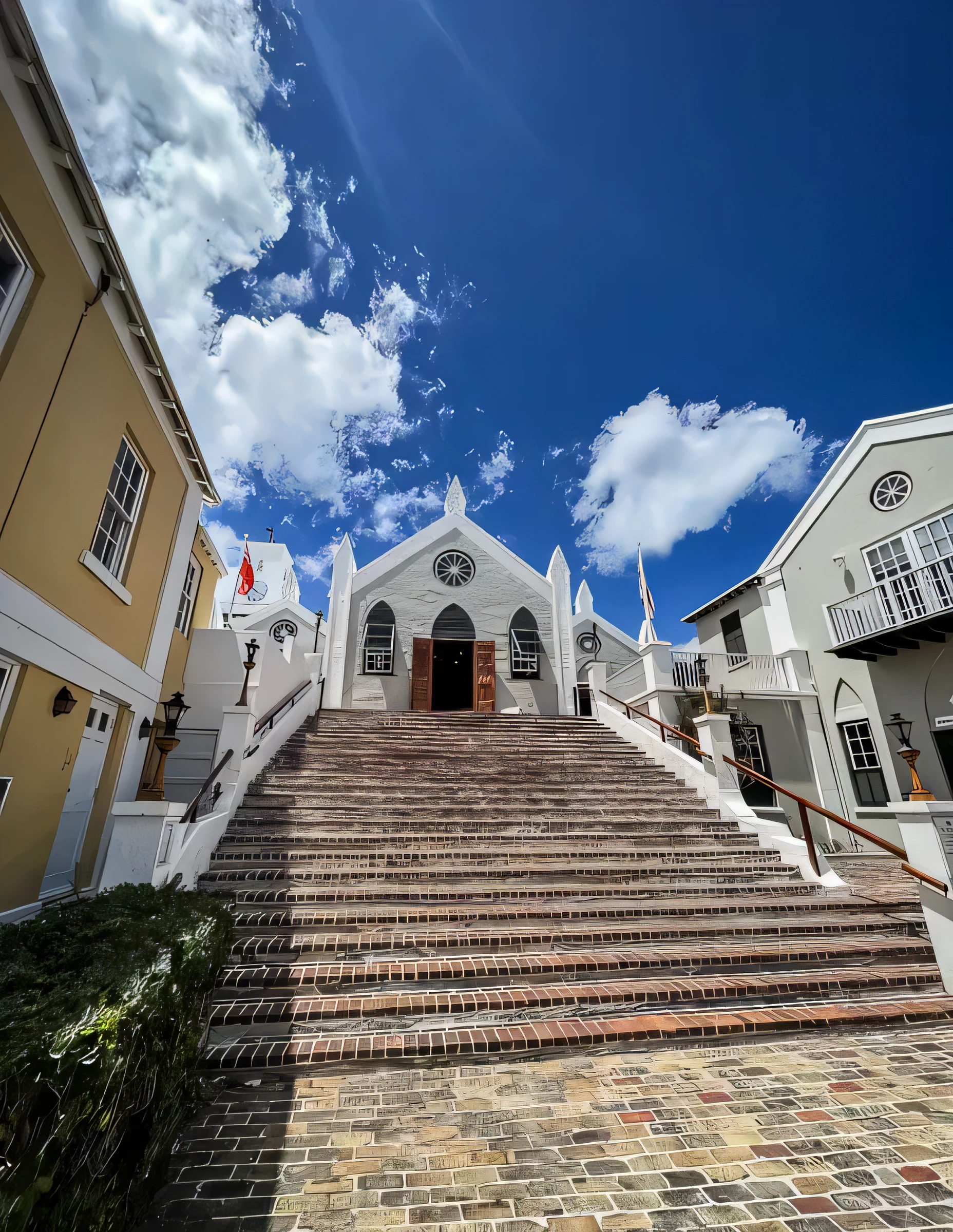
    St. George’s is the side of Bermuda beyond the beaches. It is a UNESCO World Heritage town: narrow streets, colorful buildings, old churches, small museums, and a waterfront that makes wandering easy once you are there.

    Start around King’s Square and work toward St. Peter’s Church, the waterfront, and lunch. There is also the Unfinished Church up the hill, but I would not rush through the town just to squeeze it in. We paired St. George’s with the caves and Tobacco Bay, and it worked well as a full day. All three are on the eastern side, so you are not crossing back and forth more than you need to.

    Snorkeling at Tobacco Bay belongs on the same morning. The water is clear enough that you can spot fish straight from the shore, and it is calm enough for people easing into snorkeling. Bring your own gear if you have it, or rent on site along with chairs. Water shoes are a good idea because of the rocks.

    Where I would not waste the day

    Fort St. Catherine is Bermuda’s largest fort, and a sensible add-on if you are already around St. George’s or Tobacco Bay: ocean views, old cannons, tunnels, a little history without giving up the whole day. Treat it as part of an east-end day, not a reason to cross the island on a short stop. The walk from St. George’s can feel longer and steeper than it looks on a map, so keep an eye on the time in warm weather.

    Gibb’s Hill Lighthouse is for the view, and you do not have to climb all 185 steps to enjoy it. From below you still get a wide look over Bermuda, and if your ship is docked at the Royal Naval Dockyard you can spot it. Climbing costs a fee, collected at the small gift shop. It works as a quick sightseeing break on a tour or drive, not as an entire day.

    Quieter sand on the south shore

    John Smith’s Bay is the kind of stop a good driver adds when you ask for something away from the crowds. When we went, the beach was nearly empty, and the sand was the pinkest I had seen on the island up to that point. It has bathrooms and chair rentals, but we did not need much. We spread the blanket and had space.

    I would not put it in the same category as Horseshoe Bay for a first beach day, but if you want a quieter south shore stop, it is worth the detour. Warwick Long Bay and Jobson’s Cove sit right next to each other and make a sensible pair for one stop. Warwick Long Bay has the longer stretch of pink sand, and when the water is calm the offshore reefs make it a decent snorkeling spot. Jobson’s Cove is smaller and more sheltered, better for a quick swim or calmer water, but because it is small it fills up faster. Elbow Beach comes up in the same conversations. Treat it as another option to compare, and check current access and transport before making it your main plan from the port.

    Small boats moored in a calm Bermuda harbor at the dockyard

    East of the Dockyard, if you have the time

    Cooper’s Island Nature Reserve packs beaches, walking trails, wildlife, and an observation tower into one east-end stop. Clearwater Beach and Turtle Bay are nearby, with calmer, shallower water that works for a gentler swim. The area takes more planning from the Dockyard, and I would treat fish or turtle sightings as a bonus, not the whole reason to go.

    Tom Moore’s Jungle is the name people use for Walsingham Nature Reserve and Blue Hole Park, the greener side of Bermuda: trails, caves, mangroves, and a swimming hole. The Blue Hole is a big reason people go, but this is not a polished beach stop with chair rentals and easy sand entry. Wear sturdy shoes, check the posted signs, and pair the visit with an east-end day rather than a short Dockyard plan.

    Hamilton and the drinks

    Hamilton is the capital, but it reads as a lively waterfront town rather than a big city. Front Street is the place to start: colorful buildings along the harbor, shops, restaurants, and a pleasant walk. It works for lunch, drinks, shopping, or a ferry ride from the Dockyard if the schedule lines up. Around it, the Bermuda National Gallery, Queen Elizabeth Park, the Cathedral of the Most Holy Trinity, and Fort Hamilton can fill the gaps. If your cruise stays overnight and you are in town on a Wednesday during the summer, check for Harbour Nights, when Front Street becomes an evening street festival with food, music, and local vendors.

    For the drinks: the Rum Swizzle is what visitors hear about first. It is fruity, rum-based, and easy to like with lunch or by the water, and The Swizzle Inn is the famous stop for it. A driver told us the Dark ‘n Stormy is more of the local drink of choice, while Swizzles skew to visitors. I have tried both and I prefer the Dark ‘n Stormy. It is simpler and less sweet, and the smooth dark rum is the part that stays with me. Either one is worth trying, just know that Swizzles have a reputation for sneaking up on people. The Swizzle Inn’s motto, Swagger Out, is meant to be a warning.

    And if you have more than a day, plan at least one local meal off the ship. The Bermudian fish sandwich is the classic order, usually served on raisin bread with fried fish, tartar sauce, and coleslaw. I know the raisin bread sounds questionable. I finally tried it with the local catch of the day, and it was better than expected. The bread’s slight sweetness balances the buttery fish and the tangy toppings. Fish nuggets are another staple, easy to share, and a hit with our group at Wahoo’s Bistro in St. George’s, especially with the homemade tartar sauce. If you are already in St. George’s, this is a good place to slow down for lunch instead of rushing to the next stop.

    Close to the ship

    The Royal Naval Dockyard is the area to focus on when you want to stay near the ship, especially on a short final day. It is not where I would spend a whole trip, but it works well for an easy morning, lunch, shopping, or one last walk before boarding.

    The National Museum of Bermuda is one of the easiest things to do nearby, and a good choice for a short last day in port. It sits inside the old fort area, with exhibits on Bermuda’s history, shipwrecks, slavery, maritime stories, and island culture. Commissioner’s House is the large building on the hill that you can see from the ship, and if you have ever looked over from the deck and wondered what it was, this is the chance to go inside. We saved it for the last morning, and the timing worked well. A couple of hours here does not take you out of the Dockyard area, and the view over the harbor is part of the experience.

    Sea Glass Beach, often called Glass Beach by visitors, ended up being one of the surprises of our last trip. Our driver took us there on a longer route around some road work, and the group of us turned into treasure hunters almost immediately. It is small and rocky, more of a quick stop than a swimming beach. The sea glass comes from the old Dockyard history, when discarded glass ended up near the shore, and years of waves and salt turned the broken pieces into the smooth, colorful glass scattered along the sand. You can walk there from the Dockyard, but check the route and be ready for uneven access. Do not take any sea glass with you. It is part of what makes the stop worth doing.

    Snorkel Park Beach is the backup. Not the kind of place I would build a trip around, but right by the cruise pier and easy for a short last day. It has an entry fee, so check the current price. If you have real time, I would still choose Horseshoe Bay, Tobacco Bay, or John Smith’s Bay first. But if the ship leaves early and you want something simple and close, Snorkel Park does the job.

    How I would narrow it down

    If this is your first trip, start with the places that feel most different from a typical beach day: Horseshoe Bay, the Crystal and Fantasy Caves, St. George’s, and at least one local meal off the ship. Then plan by area instead of bouncing across the island.

    South Shore: the pink-sand beaches, Horseshoe Bay, Warwick Long Bay, Jobson’s Cove, John Smith’s Bay, and Elbow Beach, with Gibb’s Hill Lighthouse or Glass Beach as add-ons if you have transport sorted. East End: the caves, St. George’s, Tobacco Bay, Fort St. Catherine, Cooper’s Island, Clearwater Beach, and Turtle Bay. Hamilton and Central Bermuda: Front Street, food, shopping, BUEI, the Bermuda Aquarium, Museum and Zoo, and the ferry connections. The Dockyard: the National Museum, the Clocktower area, Island Outfitters, the Bermuda Craft Market, lunch, and last-minute shopping, all close to the ship.

    Bermuda is small, but it still takes time to get around. Driving from one end to the other takes about an hour, so the more you try to cram in, the more rushed the day feels. If I were doing it again, I would give the east side a whole day, keep the Dockyard for the final morning, and stop pretending that one day is enough for all of it.

    Keep Reading

  • How to Experience Boston Like a Local

    How to Experience Boston Like a Local

    The Green Line was running four minutes behind schedule, and the platform at Back Bay had the kind of quiet that only exists before the commuter rush. I was not waiting for a train I needed. I was waiting to see whether I could tell, from a platform, what the rest of the week would look like.

    It would look like this: a hotel in the North End, a Charlie Card, and a week of walking between neighbourhoods that the tour buses treat as a single blur. Boston is small enough that the plan works. It is also the kind of city that quietly punishes you if you stay in the wrong place and insist on having a car.

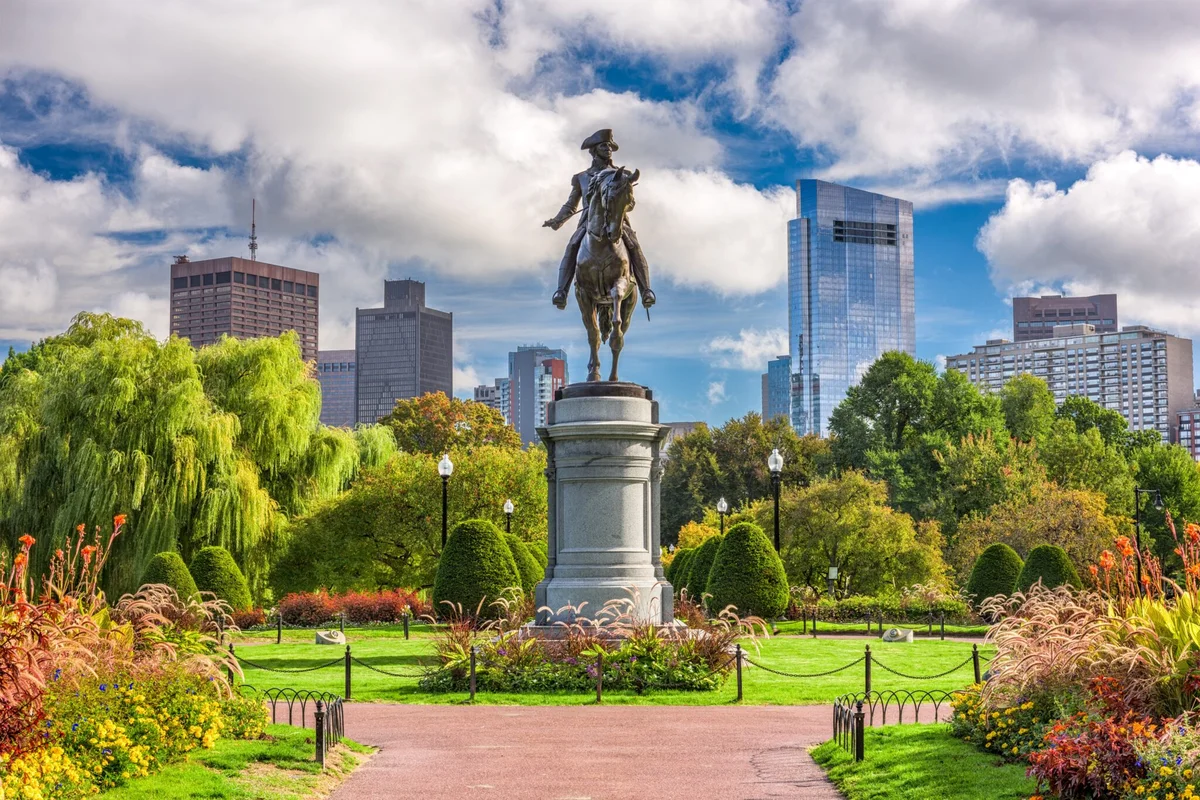
    Boston Commons in morning light, bare trees and open lawn, overcast sky

    Where you stay decides the week

    Boston is not enormous by American standards, but the neighbourhoods are distinct enough that the wrong hotel puts you a long ride from the parts of the city worth exploring on foot. The North End, Beacon Hill, and the South End are the three areas I would stay in, and the North End is the one I chose. Walk out of your door in the morning and you are on Hanover Street, which means you can have breakfast before the first tour group arrives.

    Beacon Hill is the prettiest of the three. It is one of the most intact pre-Civil War streetscapes in the country: gas lamps, Federal-style row houses, a dense network of alleys that feel genuinely old rather than restored. A reasonably priced Boston hotel in this area costs more than one near the airport or in Cambridge, but the difference in walkability quickly pays for itself. I have stayed in both kinds of rooms and I can say the extra money buys you mornings that do not start with a taxi queue.

    Back Bay works well if this is your first time in the city. Its grid layout is easier to navigate and puts you near the Prudential and the Public Garden. I would not call it where I want to be for a week, but it is a fine base for a few days while you decide what the rest of the city is doing to you.

    Narrow cobblestone alley in Beacon Hill, brick row houses and gas lamps

    The T is how the city tells you where it is

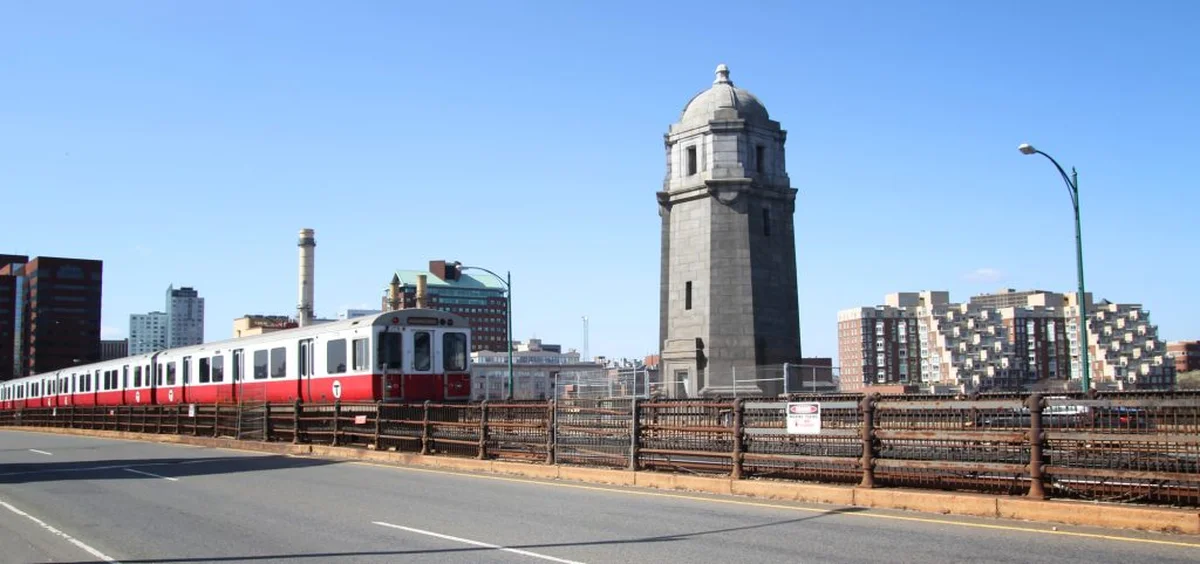
    Boston’s subway system, called the T, is one of the oldest in the United States. The first section opened in 1897, which is older than most of the country’s cities are old. It is not perfect. The Green Line in particular runs slowly above ground through much of Back Bay, and on a cold morning it feels like a tram more than a metro. But it covers the main residential and cultural areas well enough to make it genuinely useful, and locals use it constantly.

    The MBTA journey planner is straightforward once you have used it twice, and Charlie Cards, the reusable tap-in card, are cheaper per journey than paying cash. Getting comfortable on the T takes about one day. After that, you move between neighbourhoods the way residents do, rather than catching taxis between landmarks. My partner, who hates itineraries, did the maths on the first evening and declared that we could stop planning anything that involved a car. He was right.

    MBTA subway train at a platform, commuters standing on the platform

    Eat by area, not by cuisine

    The most useful piece of advice I can give you for eating in Boston like a resident is to organise your meals by area rather than by cuisine. The North End is the Italian neighbourhood. Hanover Street has the cannoli bakeries that the guidebooks point to, but the side streets, Salem Street, North Street, Richmond Street, have smaller trattorias that are cheaper and quieter than the obvious choices on the main drag. That is where I ended up eating most of my dinners, and I would do it again.

    The South End has the highest concentration of serious independent restaurants in the city, particularly along Tremont Street and the blocks between Union Park and Rutland Square. I spent a couple of evenings there and the quality is a step up from the tourist circuit in a way that does not require a special occasion to justify.

    Chinatown is compact, walkable, and genuinely good. There are Vietnamese and Malaysian options alongside the better-known Cantonese restaurants. Cash is often preferred, and lunch is a better value than dinner. I went on a Saturday morning with my partner and we were in and out in under an hour with food to spare. The prices vary from place to place, but nothing on that street felt like it was being sold to a tourist.

    Harvard Square storefronts on Massachusetts Avenue, independent bookshops and shopfronts

    Leaving the car at home is not a sacrifice

    Boston’s streets predate the car by about 250 years, and driving in the city is notorious even among Americans for its combination of narrow roads, aggressive local driving habits, and a near-total absence of right-of-way logic. Residents who live within the city itself often do not own cars. Arriving without one is not a limitation here. It is an asset.

    The walkable core, Beacon Hill, the North End, Downtown, Back Bay, the South End, covers more than enough ground for a week’s stay. For day trips to Cambridge, Somerville, or Brookline, the T covers the distance in under 20 minutes. I do not mean that as a small thing. Twenty minutes is the difference between a place you can walk to in the morning and a place you have to plan around.

    Boston waterfront cityscape at dusk, low buildings and water in the foreground

    Cambridge is not a Boston afterthought

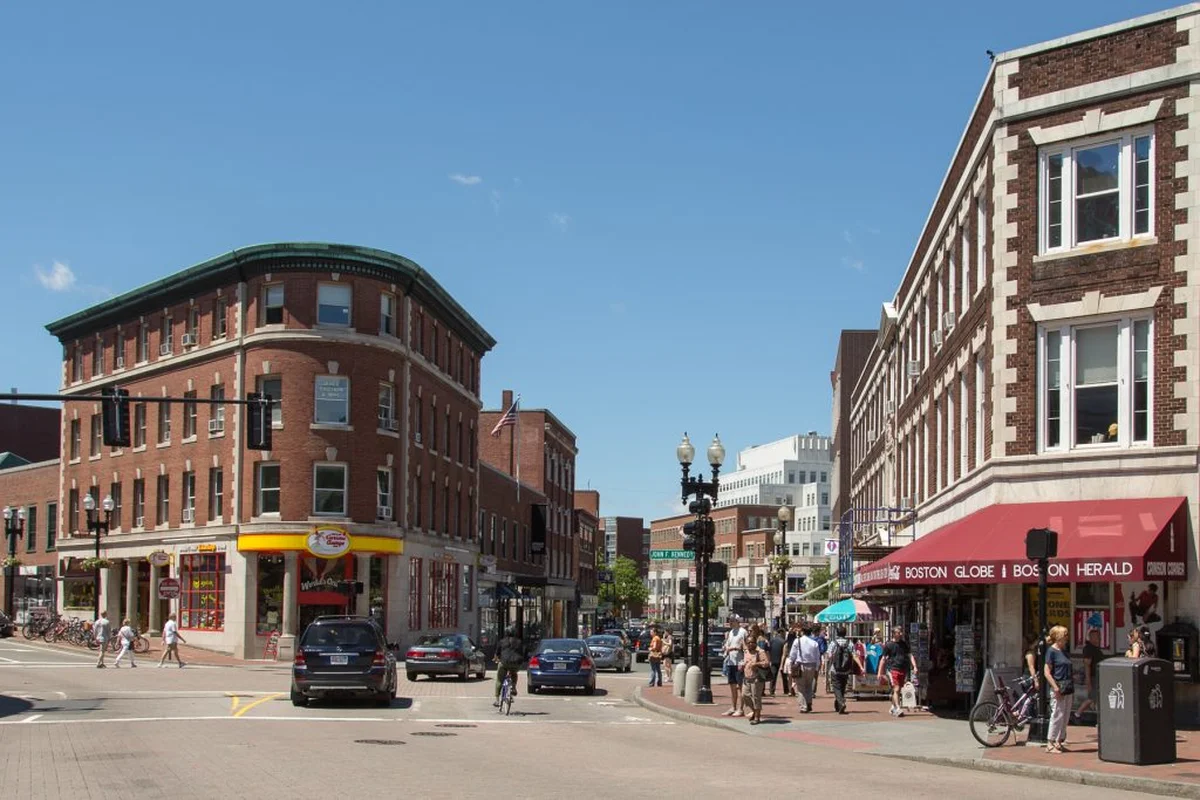
    Harvard Square in Cambridge is about 15 minutes on the Red Line from Downtown Crossing, and it functions as a separate urban ecosystem rather than a Boston neighbourhood. Most visitors treat it as an extension of Boston, and most of them miss the point.

    The independent bookshops around the square are the kind of thing you miss if you stick to the Boston tourist circuit. The Harvard Book Store at 1256 Massachusetts Avenue is the landmark, but Raven Used Books and Rodney’s Bookstore are both worth an hour. I spent more time in the used bookshop than I expected to, which is the correct response to a place like this.

    Inman Square and Central Square, a short walk or bike ride from Harvard, have a denser concentration of locals-only restaurants and bars than anywhere in Boston proper. If you only have one evening in Cambridge, skip the walk along the Charles and go to Inman Square. You will be eating where the people who live there eat, and the rooms are cheaper and the menus less interested in impressing you.

    The waterfront deserves more than a photo stop

    The Rose Kennedy Greenway, the linear park built on top of the tunnels that replaced the old elevated highway, runs from the North End to Chinatown and connects neighbourhoods that were previously cut off from each other. On weekday mornings it is used almost entirely by commuters and dog walkers, which is exactly the kind of quiet I go to a city for. I walked it on a Tuesday before the light fully came up and the only other person I passed was carrying a baguette.

    The harbor islands are the part of the waterfront the tour buses never reach. They are accessible by ferry from Long Wharf and almost entirely unvisited by tourists despite being within sight of downtown. Georges Island has a Civil War-era fort and reliable summer ferries from late May to mid-October. Bring a picnic, because the island has no restaurants. For full ferry schedules and island details, the Boston Harbor Islands State Park site is the right resource. I went on a morning in late September and the ferry was half full of people who looked like they had planned this a month in advance, which is the kind of planning I can get behind.

    The best version of a neighbourhood is the one its people use

    Most residents of the North End will tell you that Mike’s Pastry and Modern Pastry are fine, but that the real neighbourhood is the streets behind Hanover, not the main drag. Most people who grew up in Beacon Hill will direct you away from the obvious shops and toward the Saturday farmers’ market on Charles Street or the tiny bookshop at the corner of Chestnut Street.

    The pattern is the same in every part of the city. The best version of a neighbourhood is the one the people who live there actually use, and Boston’s are compact enough that finding it does not take much effort. Turn off the main street, walk until you hear fewer American accents, and sit down somewhere that does not have a laminated tourist menu in the window.

    If you only have one day, skip the Freedom Trail and do this instead: stay near the North End, ride the T to Harvard Square in the morning, eat lunch in Chinatown, and take the afternoon ferry to Georges Island. You will have seen more of the city in eight hours than most people see in three days, and you will not have once stood in a queue for a tour that was going to show you the outside of a building you have already walked past.

    Keep Reading

  • Sanssouci: A Slow Walk Through Potsdam’s Palace Park

    Sanssouci: A Slow Walk Through Potsdam’s Palace Park

    The platform clock at Park Sanssouci station was running three minutes fast, and I was still deciding whether the 10am slot I’d booked for the palace was worth the train from Berlin. By the time I’d bought my ticket, checked the renovation notices at the information desk, and found the entrance to the park, the answer had taken care of itself: yes, but only if you treat the whole complex as a walk, not a list of sights.

    Gilded baroque palace hall with frescoed ceiling and crystal chandeliers

    Sanssouci is the name Frederick the Great, King of Prussia, gave to his hilltop summer retreat, from the French for “without worries.” The complex on the edge of Berlin’s western suburbs is a UNESCO World Heritage Site, and it spans nearly 300 hectares of terraced vineyards, parks and palaces. It is not, however, a place you can see in four hours from a tour bus. I spent half a day here and still didn’t get to everything, which is exactly the point.

    What it’s like to actually walk Sanssouci

    Start with the honest logistics, because the first thing the brochures don’t tell you is that the place is big. My walking route through the main sights covered about 7km (4+ miles), and that’s with a couple of shortcuts I took through the park rather than following the formal paths. There are only a handful of eateries in the whole complex, and they’re all at the edges, so bring water and a snack.

    Buy the day ticket for the palaces when you arrive. Entrance to Sanssouci Palace itself is restricted to timed slots, and I’d recommend booking the earliest one you can get. The other buildings and monuments in the park are open to wander at your own pace, so the slot system really only affects one stop.

    On transport: you can day-trip from Berlin, which plenty of people do, but I’d rather have one or two nights in Potsdam. The park deserves a slow pace, and Potsdam’s city centre is worth an evening on its own. From the New Palace you can catch the train back to Potsdam Hbf, or take bus 695 at Maulbeerallee into the town.

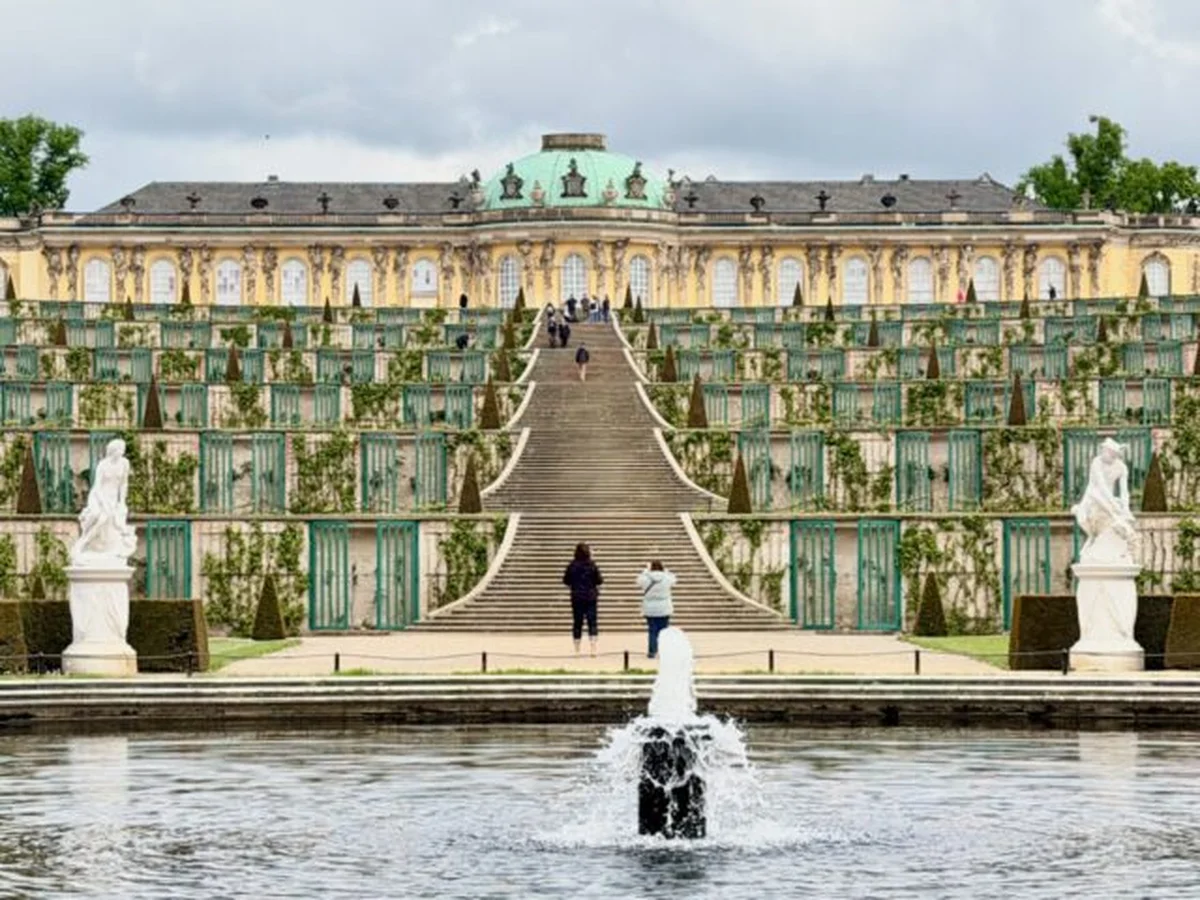
    Sanssouci Palace above terraced vineyards, grand cascade and fountain

    The route: where to start and what to skip

    I’m not going to give you a numbered list, because the park works best as a loop you adjust as your legs feel. Here is the order I actually walked it in, which took me a solid half day.

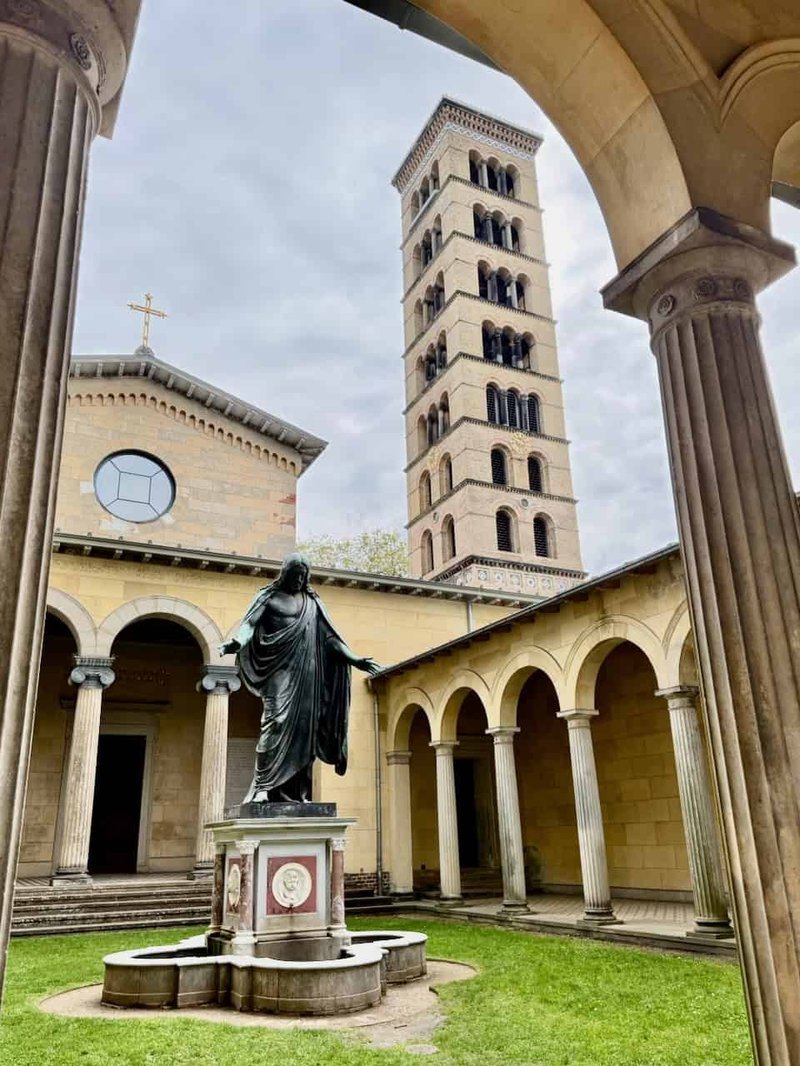
    Start at the Emperor Frederick Mausoleum, next to the Friedenskirche (Church of Peace). It’s the quietest building in the park and a good place to set a slow tone before the crowds of the main palace kick in.

    Then walk up the park to Sanssouci Palace. Book the earliest slot I could get, which was 10am, and you’ll have the terraces to yourself for a while after. From the palace, head down to the historic windmill and past the New Chambers, then cross the Sicilian gardens to the Chinese House.

    From here the route splits, and this is where you make a trade-off. If you have time, continue to the Roman Baths and then Charlottenhof Palace. If not, head straight to the New Palace, which is where you’ll exit onto the train.

    One honest warning: as of June 2026, the Roman Baths and the Orangery Palace are both closed for renovation. I checked the notices before going, and I’d do the same, because a closed Orangery is a long detour for nothing.

    Stone cloister courtyard with bronze statue and bell tower

    The mausoleum and the 99-day emperor

    The Emperor Frederick Mausoleum is easy to miss if you’re only here for the palaces, and that’s a shame, because it’s the most quietly interesting building in the park. It was built between 1888 and 1890 as the final resting place of Emperor Frederick III and his wife, Empress Victoria, the eldest daughter of Britain’s Queen Victoria.

    Frederick III is the one I always get wrong on a quiz: he’s the “99-day emperor.” He took the throne in 1888 and died of throat cancer ninety-nine days later, which is why historians keep speculating about how different Germany might have been had he lived. Inside the mausoleum there are marble sarcophagi and some finely carved sculptures, and the whole atmosphere is calm in a way the palaces never quite manage.

    Sanssouci Palace: one floor, no throne room

    Sanssouci Palace sits on top of the terraced vineyards on the hillside, and it’s the image people have when they hear the name. It was built between 1745 and 1747, and unlike most royal palaces it was designed as a private retreat rather than a stage for foreign dignitaries. Frederick used it to read philosophy, play the flute, and host a small circle of friends. The whole thing is one storey, which is a deliberate statement: comfort over grandeur.

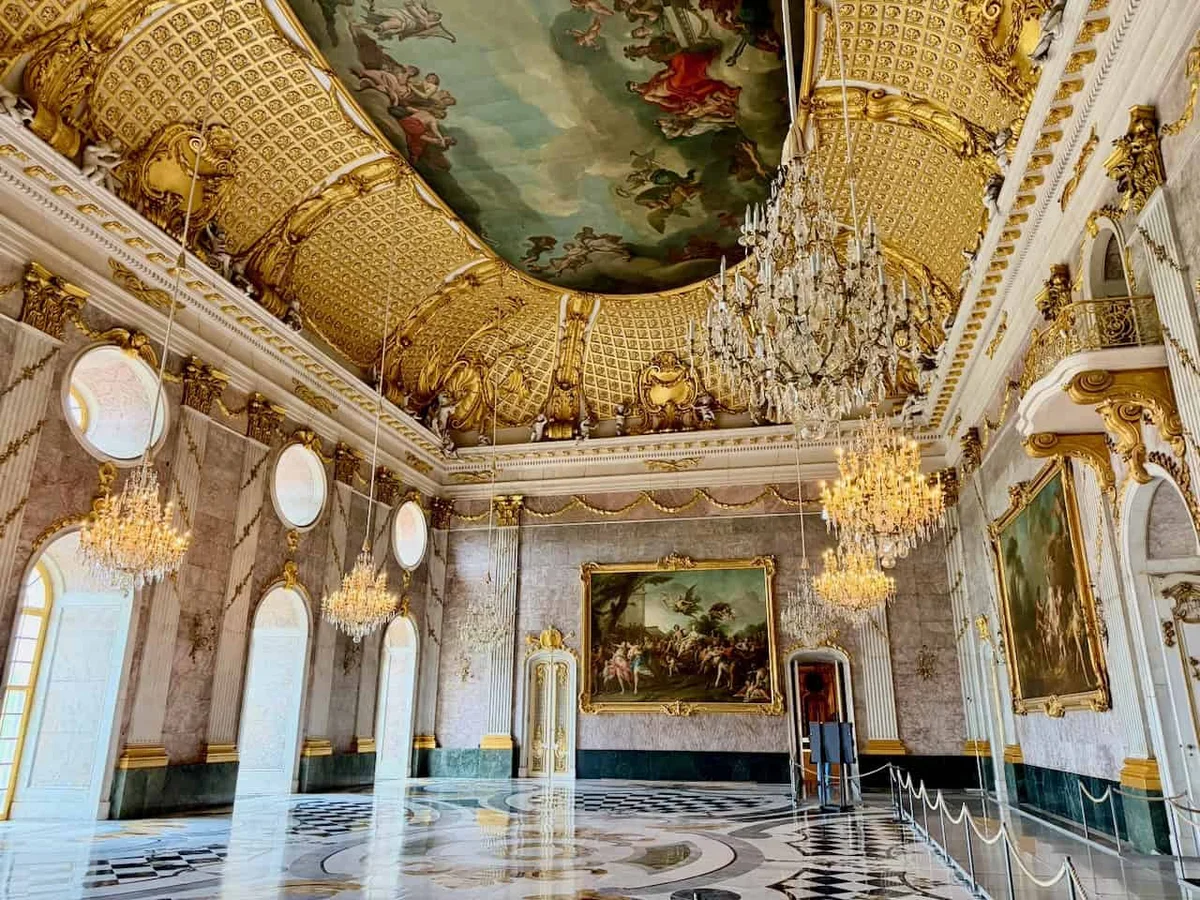
    The rooms inside are heavily gilded and ornate, and there’s a Marble Hall where Frederick entertained Enlightenment thinkers, including Voltaire. The Picture Gallery next to the palace, finished in 1764, is considered Germany’s oldest purpose-built museum, and it held Frederick’s collection of paintings by Rubens, Van Dyck and Caravaggio.

    One thing I’d tell myself before going: the timed entry is real, and the 10am slot is the one I’d take if I were planning again. The palace is small enough that a full tour takes about an hour, but the lines outside are not small.

    The windmill and the miller who told the king off

    Below the palace terraces there’s a windmill, and it has a story that I find more charming than any of the palace interiors. The original mill dates from 1738 and belonged to a local miller. Frederick was annoyed by the noise and wanted it, and when the miller refused to sell, the king threatened to just take it by royal authority.

    The miller’s reply, according to the Prussian legend, was that there were still judges in Berlin, meaning the king wasn’t above the law. Whether it’s entirely true or partly invented, it stuck around as a symbol of the rule of law in Prussia. The mill was rebuilt in Dutch style in 1787, destroyed in the Second World War, and the replica you see now was finished in the 1990s from old plans. You can go inside and look at the milling machinery.

    Chinese House and the New Palace

    The Chinese House is a small gilded pavilion built between 1755 and 1764, and it’s the park’s most kitsch building, which is exactly what makes it fun. It’s not Chinese architecture at all, just 18th-century Europe’s idea of what Chinese might look like, and golden statues of musicians and tea drinkers are set around it. I spent longer here than I expected to.

    The New Palace is where the tone changes. It was built between 1763 and 1769, right after the Seven Years’ War, as a statement that Prussia could still afford to be spectacular. It’s considerably larger than Sanssouci, with a facade that stretches for hundreds of meters and over 200 rooms inside. The Grotto Hall is the one to see: the walls are covered in thousands of shells, minerals and semi-precious stones, and it takes longer to look at than you’d expect. The Great Marble Hall is the ceremonial centerpiece, and Frederick himself reportedly called the whole building a kind of “fanfaronade,” a display of bravado.

    He didn’t live there much. The last German emperor, Wilhelm II, used it as his home until he abdicated in 1918 and took most of the furniture with him to his estate in the Netherlands. The Dutch found it there in the 1970s and sent it back to Potsdam.

    If you only have one day, do this

    If you’re short on time and can only manage the main line, skip the Roman Baths and Charlottenhof, and give yourself the morning for Sanssouci Palace on the 10am slot and the afternoon for the New Palace. That’s the full loop without the add-ons, and it’s about 7km of walking, which is a lot but doable if you don’t rush the interiors.

    If you have a full day, add Charlottenhof in the south of the park. It’s a neoclassical palace designed by Karl Friedrich Schinkel, built in the 1820s for the future Frederick William IV, and it’s the quietest, cleanest building in the whole complex. It’s not as famous as the others, and I’d rather have it than the Orangery on a short trip, especially now that the Orangery is closed.

    What I’d do differently

    Next time I’d book two nights in Potsdam and do the park in two halves rather than one long push. The second morning, with no palace slot to hit, is where the Chinese House, the windmill and the vineyard paths actually make sense. And I’d check the renovation notices before I commit to the southern add-ons, because a closed building changes the arithmetic of a day.

    The park is still the best part, honestly. The terraced vineyards under the palace, the fountains and the long tree-lined paths, that’s what I kept coming back to when the interiors got dense. It’s a place built for walking slowly, and it only works that way.

    Keep Reading

  • When to Go to Holbox Island, and When Not To

    When to Go to Holbox Island, and When Not To

    The ferry from Chiquilá was already loaded when we got off the bus at the port, and the woman at the ticket window looked at our bags and said the next one was not until the afternoon. That was in November, and the sky was doing the grey thing it does right before the last of the rains give up. I have made that crossing several times, in both the dry and the wet season, and every time I come back to the same question my partner asks at the kitchen table: when is it actually worth the two-hour drive and the boat?

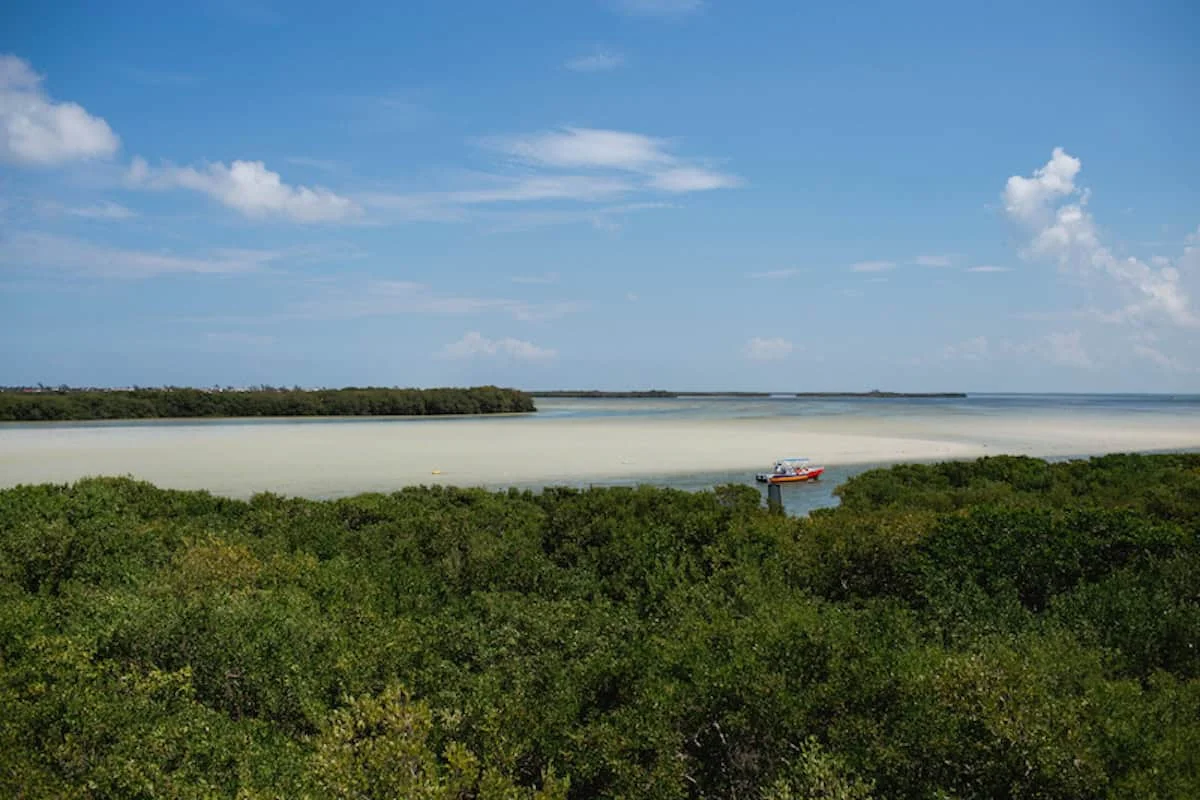
    Aerial view of Holbox mangroves and pale shallow water with a small boat

    Holbox is a long, low island on the northern tip of the Yucatán Peninsula, in the state of Quintana Roo. It sits inside the Yum Balam Nature Reserve, which explains a lot: shallow pale water, mangroves, very little construction, and a town you can cross on foot or by bicycle in an hour. The climate is humid tropical, the same as the rest of the peninsula, so there is a version of this island you can enjoy almost any week of the year. There is also a version of it where the roads wash out and the shops close. The difference is the month you pick.

    How to read Holbox’s calendar

    The island has two real seasons, and the split is useful:

    The dry season runs from December to April. Skies are mostly clear, rain is rare, and the humidity sits lower. This is when the island makes its money, and when the prices match.

    The wet season runs from June to October. Rain comes in heavier spells, storms show up occasionally, and the air gets thick. You will still get sunny days inside it. What changes is the rhythm of the island: some businesses slow down, some close for the season, and the crowds thin out until the place feels like a different town.

    There are no fixed fares or rates worth quoting on the island itself, because prices swing with the season in a way that has no floor. What I can say, from what I’ve actually paid in each period: everything from the room to the tour to the fish taco is cheapest in the wet months and most expensive in the dry ones. No numbers to give you, just the direction.

    What each month actually does

    I pulled the monthly ranges from the climate calendars people use for the region, and condensed them here rather than writing twelve sections of the same sentence:

    MonthTemperature rangeRain / notes
    January55°F to 86°F (13°C to 30°C)Dry, clear, the coldest month and the busiest
    February57°F to 86°F (14°C to 30°C)Dry; second half of the month noticeably warmer
    March59°F to 90°F (15°C to 32°C)Still dry; high season winding down, better deals by month’s end
    April70°F to 93°F (21°C to 34°C)Transition month; last stretch before the heat and humidity set in
    May74°F to 93°F (23°C to 34°C)Low season begins; seaweed (sargazo) starts washing up on beaches
    June74°F to 93°F (23°C to 34°C)Rainy season starts; showers mostly in the afternoon
    July74°F to 93°F (23°C to 34°C)More occasional rain than continuous; peak whale shark season
    August75°F to 93°F (24°C to 34°C)Sticky; hottest month; hurricane season kicks off at month’s end
    September73°F to 91°F (23°C to 33°C)First hurricane month; about 31 inches of rain on average
    October66°F to 90°F (19°C to 32°C)Rainiest month, about 48 inches; many places close down
    November68°F to 88°F (20°C to 31°C)Rain eases off (about 26 inches); more sun, tourism starting again
    December64°F to 88°F (18°C to 31°C)Dry and sunny; busy winter season begins

    Two things jump out. January through March is genuinely the window for the classic sunny beach trip, and it is the window when you pay for it. September and October are the window when you should have a plan for what to do if the weather eats a day, because it will eat one.

    The months I’d actually book

    December through March. The weather is close to perfect, the rain chance is minimal, and the island is in full working order: tours running, restaurants open, the beach clubs doing their thing. The trade is the price, and the crowds, especially around Christmas and New Year, when the town fills with people escaping cold winters and the music plays late. If you are coming for quiet, those holiday weeks are not it.

    May, if you can take the heat. The winter crowds have burned off because it gets hot and humid, and the prices drop with the crowds. The catch: it is the beginning of the seaweed season, and in recent years sargassum has started showing up on the beaches after a few years of Holbox escaping it. Check recent photos of the beach you’re staying near before you book, not after.

    November, which I would argue is the best month on this island. It is a shoulder month after the hurricane season: the weather is still pleasant, the rain has mostly stopped, and you can get dry-season conditions at pre-winter prices. I have visited in November more than once, and it is the version of Holbox where nothing is broken and nothing is packed.

    When to skip it

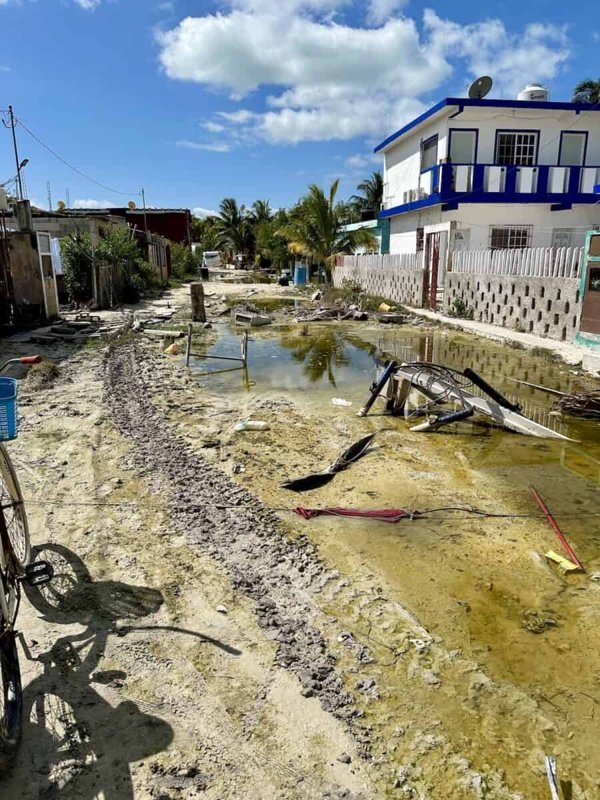
    October. It is the wettest month on the island at about 48 inches of precipitation, and the practical consequence is that a lot of places simply close because there is not enough business to keep them open. September is the other month to handle with care: it is the first hurricane month, and the island’s dirt roads get washed out in the heavy rains, which makes getting around a muddy negotiation. If a hurricane actually moves through, you could be waiting a couple of days for it to pass, and that is hard to plan around when your time on the island is limited.

    Also skip the big holiday weeks if quiet is the point you’re trying to get. Christmas, New Year’s, and Easter are loud on Holbox, and the town is at full capacity.

    Whale sharks change the answer

    The one reason to visit outside the sunny window is the whale sharks. Their season runs from mid-May to mid-September, with occasional sightings in May and the real peak in July and August, when the adults migrate through to feed on plankton. They get big: up to 41,000 pounds and 33 feet long, and they are protected by law, so a decent operator keeps distance. Read reviews carefully and be suspicious of any company promising you a close encounter or guaranteeing a sighting. No one can guarantee one.

    Sea turtle nesting runs from May to September, with the heaviest nesting activity in June and July. If that is what you’re after, the wet season is not a compromise, it is the point.

    What the rain actually does to your day

    June through early August, the rain is more sporadic than constant and it tends to come in the afternoon. You can do the morning properly and sit out the afternoon. September and October are different, as above.

    On the wet side, the lower prices extend beyond the room rate. Tours, activities, even street food come down a bit, and vendors are more willing to haggle a little in the thin months, which is worth remembering but also worth not overdoing. Wildlife shows up more easily when the island is quieter, and the beaches have fewer people on them.

    On the dry side, you have more to choose from, and the atmosphere is livelier, which helps if you want the beach club scene and the live music the bars run. The cost is that animals move away from the busy parts of town and deeper into the Yum Balam Reserve when the island is full, so spotting them is harder in the high season.

    If you can’t get to the beach, go to the mainland

    When the weather on Holbox is not cooperating, the Yucatán is close enough that the rain becomes an excuse to go somewhere else rather than a reason to cancel. Valladolid is a designated Pueblo Mágico, known for its cenotes and its pastel-colored architecture, and it is the usual gateway to Chichen Itza, so the two fit into one trip without much waste. Merida is the cultural center of the peninsula and the second-largest city in the region after Cancun; the ornate central plaza, the museums, and the craft galleries are all there if you want a proper day away from the sand. For local crafts, the Casa de las Artesanias de Yucatan in Merida is the place to buy things made by Indigenous artisans from across Mexico, including the Yucatán itself.

    Flooded muddy street in Holbox town after heavy rain, bicycle in foreground

    Things worth doing in the wet months

    Swimming with the whale sharks in July and August, as above. The mangrove kayaking in the Yum Balam Reserve works in either season; I did it and the crocodiles, flamingos, and the other birds along the water do not care what the sky is doing. The island has a genuine restaurant scene, from the trendy end to the local end, and I have a standing habit of finding the best fish taco on the island during a stay; Barba Negra is the one I keep coming back to. There are cooking classes in town, live music in the bars on most nights, and a wellness scene that includes yoga on the beach and salsa classes if you want to be bad at something in public. A day at the Refugio Holbox animal sanctuary, the local rescue center, is worth the detour in any month.

    Getting there, and what it costs in time

    The standard route is by road and then by boat: from Cancun it is roughly a two-hour drive to the town of Chiquilá, and the channel between Chiquilá and Holbox is crossed by ferry in about 20 to 30 minutes. The ADO bus to Chiquilá is bookable through BusBud, and shared or private shuttles run as well; the taxi is faster and more expensive than it should be, which is the usual story. There is also a flight from Cancun International Airport (CUN) to Holbox Airport (HOL), which trades money for time and saves you hours on the road. If you have the full five days on the island, the slow route is not a waste of any of them; if your window is shorter, the flight earns its price.

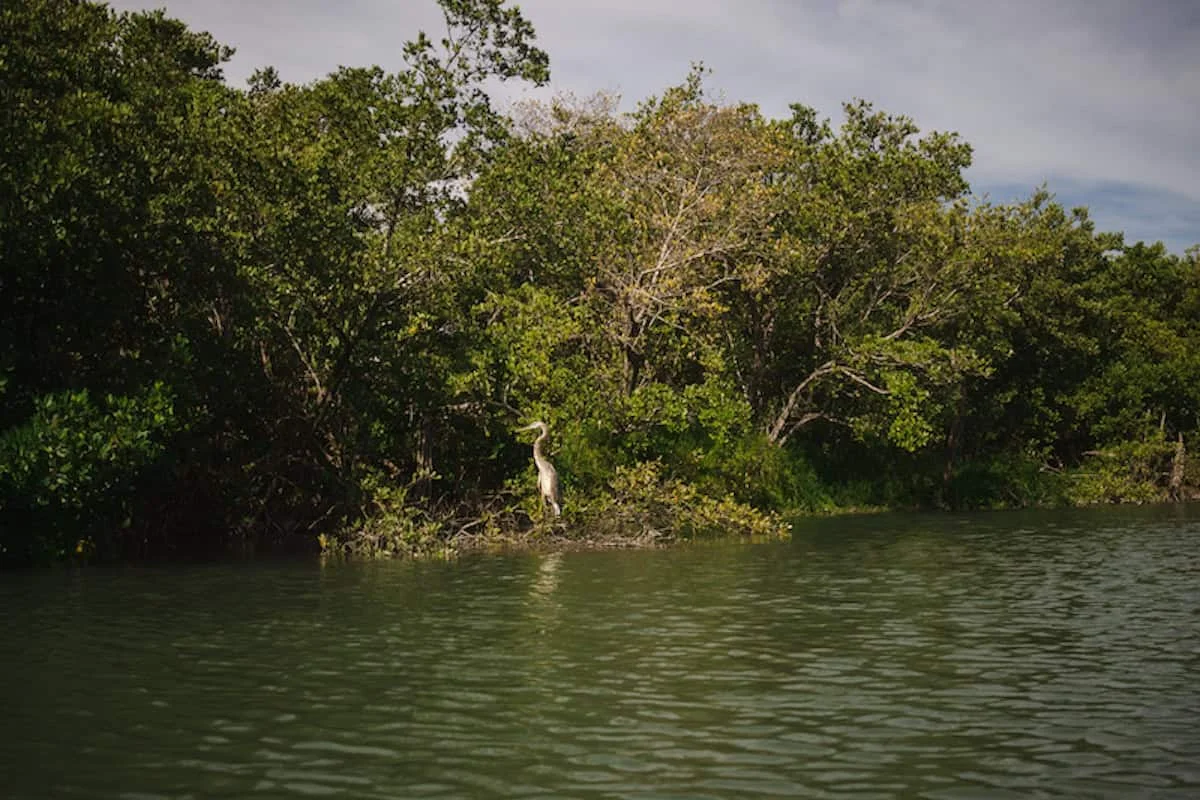
    A heron standing at the edge of mangrove water in the Yum Balam Reserve

    One practical note: Quintana Roo does not observe daylight saving time, so if you are coming from a country that does, your phone will be lying to you for part of the year.

    If you only have a few days, skip this and do that

    If you have a short window and the weather is good, skip the mainland detours and spend all of it on the island: a morning in the Yum Balam mangroves, the classic three-island tour that visits Yalahau Cenote, Punta Mosquito, and Isla Pasion (or Isla Pajaros at certain times of year), and a night walk at Playa Punta Cocos or Playa Holbox for the bioluminescence, which is strongest in summer and on a dark, moonless night. If the weather is bad and you have the days for it, skip the beach entirely and take the bus to Valladolid, because a rainy day in a Pueblo Mágico is still a day well spent.

    What I’d do differently

    I’ve planned trips to Holbox around the wrong month more than once, usually by defaulting to the sunny season without checking what I actually wanted to do there. The fix is to decide the activity first and the month second: if it is the whale sharks, July; if it is the quiet and the prices, November; if it is the beach at its best, December through March with your eyes open about the holiday crowds. September and October I would leave to people who have a lot of days and a low opinion of rain, and I would check the forecast the week before I go, whichever month I pick.